SOLOMON AccuPick Action Video Gallery
Solomon AccuPick Enables Any Robot to Bin Pick
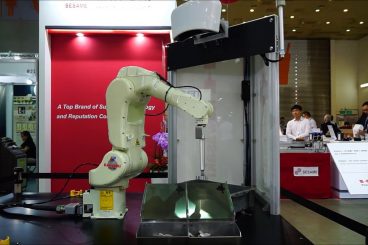
This is an example of random bin picking of automotive components using SOLOMON AccuPick based on Solomon´s 3D scanner and artificial intelligence software. Our System is connected to a Kawasaki 5kg robot and enabled it to successfully distinguish between the front and back sides of the objects and separately sort them.
AccuPick Random Bin Picking Small Parts
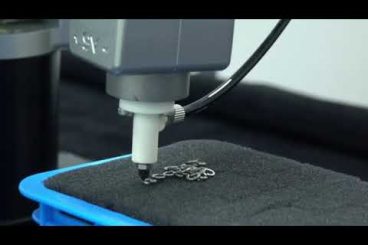
Solomon AccuPick 3D offered our customer a single software package that was able to recognize 50+ different parts in a working station. Using the power of our AI software, AccuPick 3D helped their riobot to recognize a 5mm sized washer, even when there were overlapping washers. Being able to recognize pieces of such small size has always been a challenging task for other 3D vision solutions, but SOLOMON AccuPick 3D effectively solves this problem by relying on a single vision software that allows it to fulfill the needs of our customers, helping them to lower operational costs and maximize profits.
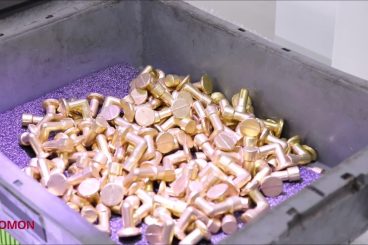
SOLOMON AccuPick Quickly Learns About Your Complex Shapes
This robot run with SOLOMON AccuPick is trained to pick complex shaped objects using AccuPick's deep learning ability combined with 3D vision. The unique ability to learn without a previosly uploaded CAD file to match the object´s 3D shape significantly reduces the learning time compared to the conventional template matching methods of other machine vision solutions.
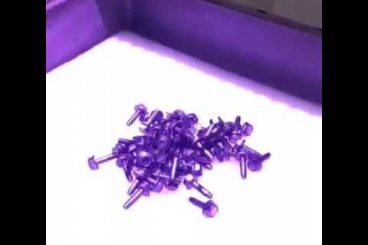
SOLOMON AccuPick Enabled a UR5 Robot Pick Small Pieces
This UR5 robot using SOLOMON AccuPick's 3D Vision can pick M4 sized black screws that have been randomly placed in a bin. The Accupick recognizes part orientation so the robot can accurately pick up screws.
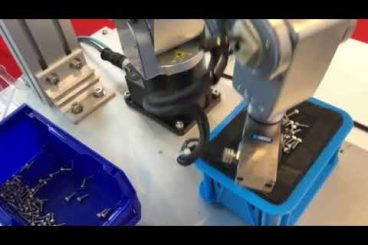
SOLOMON AccuPick 3D Easily Recognizes Object Orientation
SOLOMON AccuPick 3D vision system connected to this robot is trained to recognize an object´s orientations using deep learning technology. The ability to "see" the object's orientation enabled the gripper on this robot to efficiently pick M3 screws from the bin.
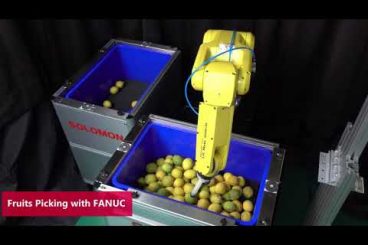
AccuPick Bin Fruit Picking for Food Industry
Irregularly shaped objects are notoriously difficult to identify using conventional pattern matching techniques. By harnessing the strengths of deep learning to “identify” the different features of an object, SOLOMON Accupick enabled this robot to automate fruit picking effectively for our customer.
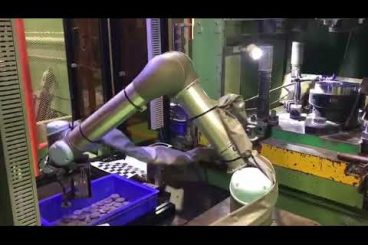
SOLOMON AccuPick Enabled a UR5 Robot Pick and Place
This UR5 robot using SOLOMON AccuPick's 3D Vision with artificial intellegience can pick round shaped metal pieces that have been randomly placed in a bin and then insert them into a molding machine with synchronization of the control systems.
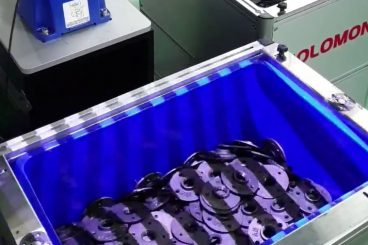
SOLOMON AccuPick 3D Enables Yaskawa Motoman to Pick and Sort
SOLOMON AccuPick 3D connects to this Yaskawa robot and enabled it to pick metal objects by distinguishing between front and back sides. In this case bin collision avoidance software was included to prevent the robot and gripper from colliding into the bin.
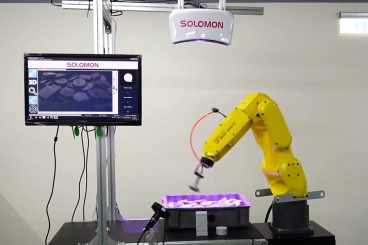
SOLOMON AccuPick Enabled FANUC Robot to Pick and Sort
This robot using SOLOMON AccuPick is trained to pick and sort between two different items using our 3D scanner and Accupick's artificial intelligence software, along with a 2D camera for stacking alignment. For this demonstration, a Fanuc robot with a payload of 7kg was used. SOLOMON AccuPick connects to ANY Robot.
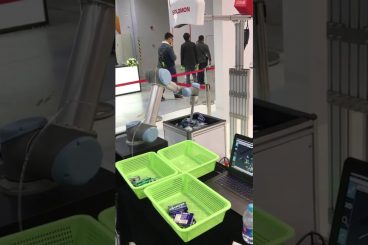
SOLOMON AccuPick Enables Robot to Sort and Classify between Slightly Different Colors
This robot using SOLOMON AccuPIck 3D Vision can sort and classify boxes with slightly different colors by using the most advanced deep learning technology and 3D vision.
SOLOMON AccuPick Enables UR5 Robot to Pick Packages between Different Shapes & Sizes
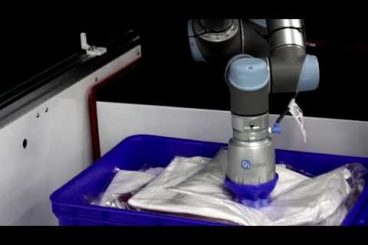
Using Solomon’s AccuPick 3D this robot is able to pick apparels of various sizes and colors placed randomly in a bin. No prior learning of the individual apparel items is required, the system automatically picks them using the brand new Soft Gripper from OnRobot and UR5 cobot. This easy-to-use 3D vision package compatible with all available commercially robots is allows any sorting facility to build a picking station
SOLOMON Vision Enables Robot to De-rack Spools
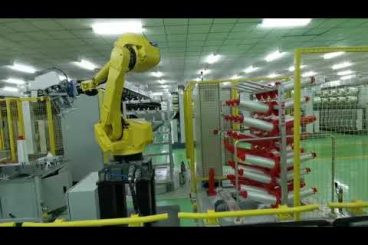
This robot can accurately carry out the unloading of bobbins from the holding rack to the next automation station because of SOLOMON Vision reproducibly provides it "vision" with +/-3mm accuracy. The 3D Vision system includes a Solomon 3D camera that is mounted on the end axis of this robot's arm, allowing it to scan the bobbin. Then the SOLOMON 3D Vision's artifcial intelligence recognition system recognizes the bobbin location enabling the robot to pick it up to be placed at the next automation station.
SOLOMON AccuPick Enables Robot to Pick Up Randomly Placed Boxes and Sorts
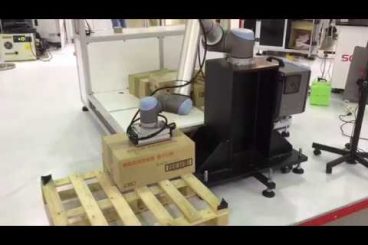
SOLOMON AccuPick connects to this Robot and enables it to pick randomly placed boxes and then sort them based on labeled information.
First-The Proof of Concept Process
- Contact Us to be connected to a local consultant.
- Provide our consultant with details of your project.
- Provide our consultant with sample parts for a Proof of Concept in Action Video.
- Our cosultant will deliver the Proof of Concept in Action Video and Analysis to you for review.
Turn around time for AccuPick Proof of Concept ~1 week.
Second-We Connect You To A System Integrator
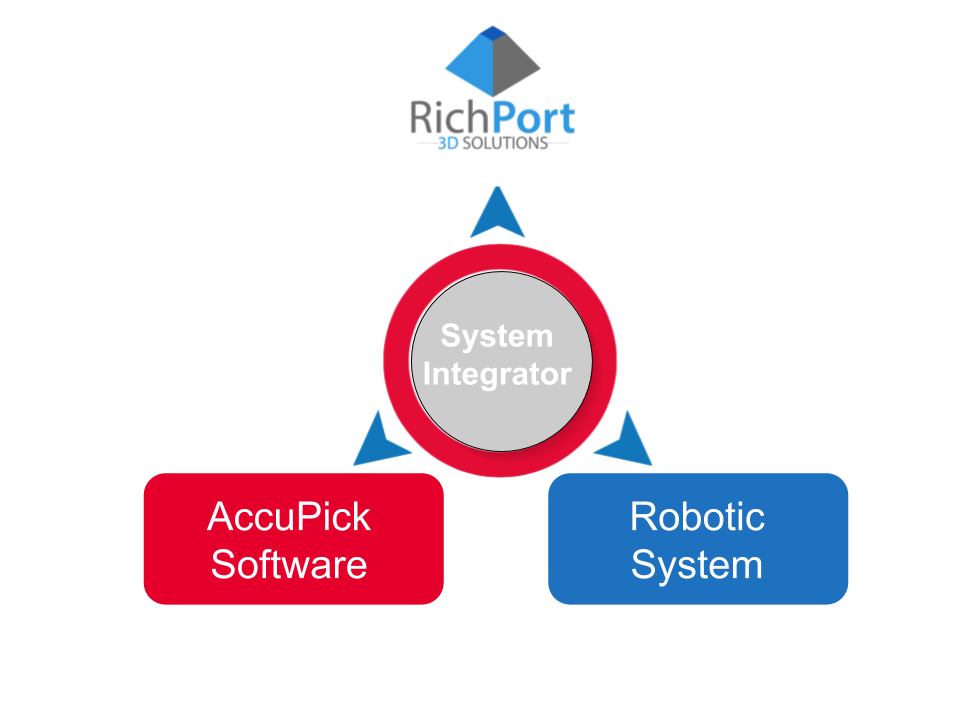
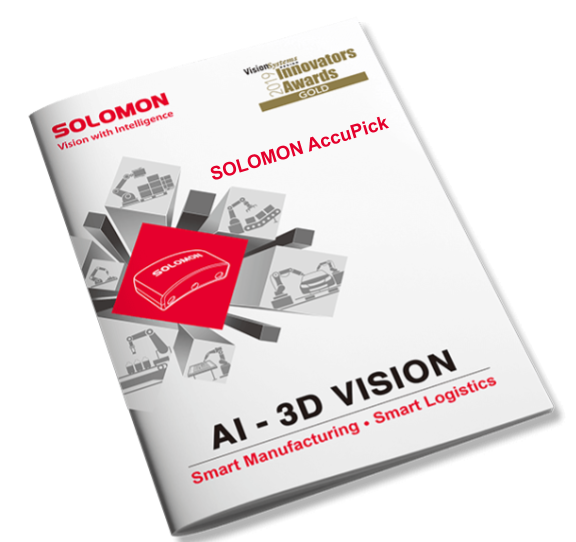
System Integrators Learn How
SOLOMON AccuPick
can help your clients start Bin Picking Today!
Solomon AccuPick Available in the Caribbean through Rich Port 3D Solutions.
Contact Rich Port 3D Solutions to offer your clients a simple to use Bin Picking Solution.
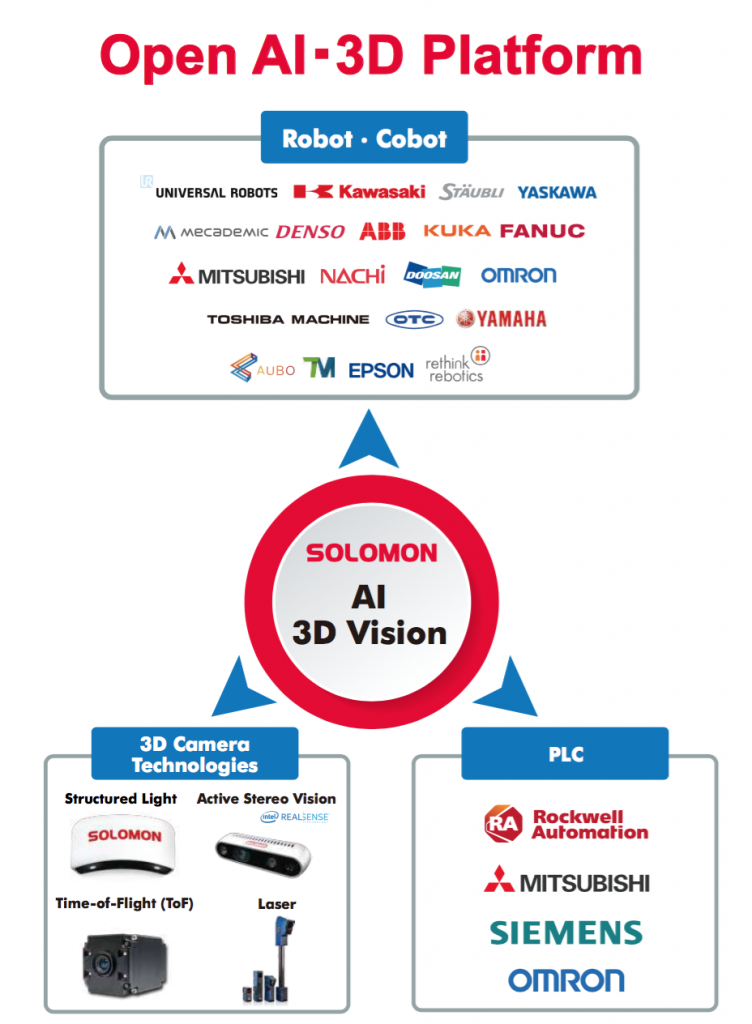
SOLOMON AccuPick Action Video Gallery
Solomon AccuPick Enables Any Robot to Bin Pick
This is an example of random bin picking of automotive components using SOLOMON AccuPick based on Solomon´s 3D scanner and artificial intelligence software. Our System is connected to a Kawasaki 5kg robot and enabled it to successfully distinguish between the front and back sides of the objects and separately sort them.
AccuPick Random Bin Picking Small Parts
Solomon AccuPick 3D offered our customer a single software package that was able to recognize 50+ different parts in a working station. Using the power of our AI software, AccuPick 3D helped their riobot to recognize a 5mm sized washer, even when there were overlapping washers. Being able to recognize pieces of such small size has always been a challenging task for other 3D vision solutions, but SOLOMON AccuPick 3D effectively solves this problem by relying on a single vision software that allows it to fulfill the needs of our customers, helping them to lower operational costs and maximize profits.
SOLOMON AccuPick Quickly Learns About Your Complex Shapes
This robot run with SOLOMON AccuPick is trained to pick complex shaped objects using AccuPick's deep learning ability combined with 3D vision. The unique ability to learn without a previosly uploaded CAD file to match the object´s 3D shape significantly reduces the learning time compared to the conventional template matching methods of other machine vision solutions.
SOLOMON AccuPick Enabled a UR5 Robot Pick Small Pieces
This UR5 robot using SOLOMON AccuPick's 3D Vision can pick M4 sized black screws that have been randomly placed in a bin. The Accupick recognizes part orientation so the robot can accurately pick up screws.
SOLOMON AccuPick 3D Easily Recognizes Object Orientation
SOLOMON AccuPick 3D vision system connected to this robot is trained to recognize an object´s orientations using deep learning technology. The ability to "see" the object's orientation enabled the gripper on this robot to efficiently pick M3 screws from the bin.
AccuPick Bin Fruit Picking for Food Industry
Irregularly shaped objects are notoriously difficult to identify using conventional pattern matching techniques. By harnessing the strengths of deep learning to “identify” the different features of an object, SOLOMON Accupick enabled this robot to automate fruit picking effectively for our customer.
SOLOMON AccuPick Enabled a UR5 Robot Pick and Place
This UR5 robot using SOLOMON AccuPick's 3D Vision with artificial intellegience can pick round shaped metal pieces that have been randomly placed in a bin and then insert them into a molding machine with synchronization of the control systems.
SOLOMON AccuPick 3D Enables Yaskawa Motoman to Pick and Sort
SOLOMON AccuPick 3D connects to this Yaskawa robot and enabled it to pick metal objects by distinguishing between front and back sides. In this case bin collision avoidance software was included to prevent the robot and gripper from colliding into the bin.
SOLOMON AccuPick Enabled FANUC Robot to Pick and Sort
This robot using SOLOMON AccuPick is trained to pick and sort between two different items using our 3D scanner and Accupick's artificial intelligence software, along with a 2D camera for stacking alignment. For this demonstration, a Fanuc robot with a payload of 7kg was used. SOLOMON AccuPick connects to ANY Robot.
SOLOMON AccuPick Enables Robot to Sort and Classify between Slightly Different Colors
This robot using SOLOMON AccuPIck 3D Vision can sort and classify boxes with slightly different colors by using the most advanced deep learning technology and 3D vision.
SOLOMON AccuPick Enables UR5 Robot to Pick Packages between Different Shapes & Sizes
Using Solomon’s AccuPick 3D this robot is able to pick apparels of various sizes and colors placed randomly in a bin. No prior learning of the individual apparel items is required, the system automatically picks them using the brand new Soft Gripper from OnRobot and UR5 cobot. This easy-to-use 3D vision package compatible with all available commercially robots is allows any sorting facility to build a picking station
SOLOMON Vision Enables Robot to De-rack Spools
This robot can accurately carry out the unloading of bobbins from the holding rack to the next automation station because of SOLOMON Vision reproducibly provides it "vision" with +/-3mm accuracy. The 3D Vision system includes a Solomon 3D camera that is mounted on the end axis of this robot's arm, allowing it to scan the bobbin. Then the SOLOMON 3D Vision's artifcial intelligence recognition system recognizes the bobbin location enabling the robot to pick it up to be placed at the next automation station.
SOLOMON AccuPick Enables Robot to Pick Up Randomly Placed Boxes and Sorts
SOLOMON AccuPick connects to this Robot and enables it to pick randomly placed boxes and then sort them based on labeled information.
OLOMON 3D VISION MADE SIMPLE available in the Caribbean through Rich Port 3D Solutions.
Contact Rich Port 3D Solutions to offer your clients a simple to use Bin Picking Solution.



First-The Proof of Concept Process
- Contact Us to be connected to a local consultant.
- Provide our consultant with details of your project.
- Provide our consultant with sample parts for a Proof of Concept in Action Video.
- Our cosultant will deliver the Proof of Concept in Action Video and Analysis to you for review.
Turn around time for AccuPick Proof of Concept ~1 week.
Tuesday
Metal 3D printing for the automotive industry
8AM ET
For the automotive sector, metal 3D printing offers dramatic productivity benefits in several key areas. Join this webinar on how the automotive sector is turning to metal 3D printing to create better products and deliver them to the market sooner and more efficiently.
Final part properties of metal printed parts
1PM ET
Desktop Metal’s printing systems are built around the chemistry and powder supply chain of metal injection molding, a widely accepted and validated powder metallurgy process that enables the fabrication of complex parts with great properties. Join this webinar to learn about Desktop Metal’s material development process
Wednesday
Introduction to the Studio System
8AM ET and 1PM ET
Discover how the Studio System can help drive efficiencies and new opportunities for your business with prototyping and low volume production via metal 3D printing.
Thursday
Introduction to the Shop System
8AM ET and 1PM ET
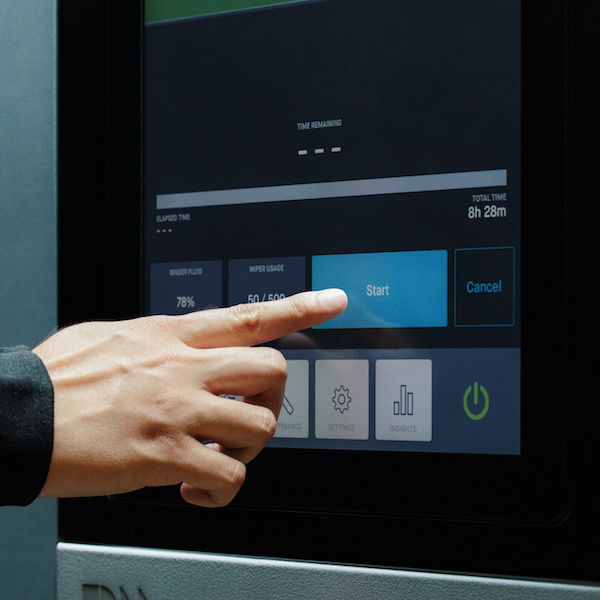
The Shop System is the world’s first metal binder jetting system designed for machine shops. It is designed to seamlessly integrate into a machine shop’s workflow and make it possible to cost effectively print end-use metal parts. Learn more in this webinar.
Final part properties of metal printed parts
11AM ET
Desktop Metal’s printing systems are built around the chemistry and powder supply chain of metal injection molding, a widely accepted and validated powder metallurgy process that enables the fabrication of complex parts with great properties. Join this webinar to learn about Desktop Metal’s material development process
Friday
Introduction to Fiber
8AM ET and 1PM ET
Fiber offers the ability to 3D print industrial-grade composite structures, featuring continuous fiber tapes for unrivaled part strength. In this webinar, learn about the technology, materials and applications for this printer.
Sales & Service Engineer Needed
(Under contract)
We are looking for someone with an engineering background who is also interested in selling and servicing high end industrial additive manufacturing solutions in the Caribbean.
The ideal candidate will have an engineering background with an ability to help customers find solutions to their additive manufacturing needs. The candidate will have all of the Rich Port 3D Solutions portfolio at their disposal for this purpose. The candidate will then provide customer support for their solutions which would include machine servicing and regularly scheduled on-site visits.
The candidate will:
- be trained at company headquarters in the operation service machines first hand;
- have access to company databases that offer specifics in machine operation;
- have mentorship navigating this developing technology;
- have the ability to develop a broad background in industrial additive manufacturing technology which will make them sought after in the additive manufacturing space.
This is an excellent opportunity for the right person. Rich Port 3D Solutions has been operating continuously since 2014 and we are at the forefront of providing additive manufacturing solutions in the Caribbean.
Please contact us through our website.
Serious Inquiries Only Please.
To sign up for a scheduled webinar click on the desired webinar time below.
We can also schedule private webinars catering to individual companies in the Caribbean.
3D Printing for Automotive Industries
3D Printing for Higher Education
3D Printing for Government Agencies
3D Printing for Service Bureaus
3D Printing for Machine Design
Introduction to Desktop Metal Studio System
Desktop Metal Studio System Design Guidelines
Additive Manufacturing Material Properties and Part Finishing Options
Introduction to the Desktop Metal Shop System
Introduction to Desktop Metal Fiber System
Desktop Metal Customer Case Studies
We can also schedule private webinars catering to individual companies in the Caribbean.

Join us for Remote Learning Week, April 13-17. We will be hosting a series of webinars where we will explore how metal additive manufacturing is already changing the business landscape today, and what it holds for the future.
Our goal is to educate and inform you on what is happening in the world of additive manufacturing today, while showcasing some great examples of companies who are already implementing this technology. This will include interactive Q+A’s with our team to answer any questions that may arise.
Feel free to sign up for as many webinars as you can at the links below– and share these sessions with your coworkers as well.
Introduction to the Studio System – 8AM ET
Introduction to the Shop System – 1PM ET
Wednesday 4/15
How heavy industries are using additive manufacturing right now – 8AM ET
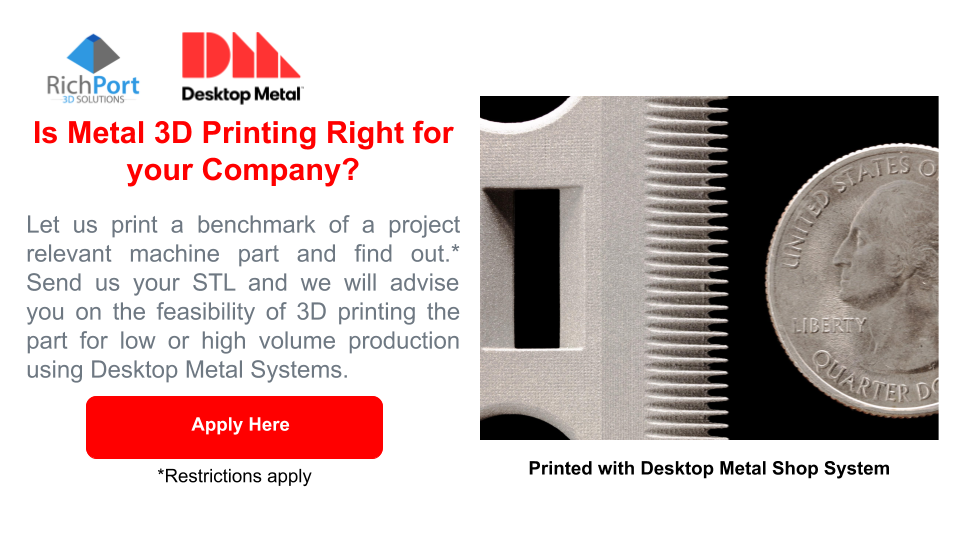

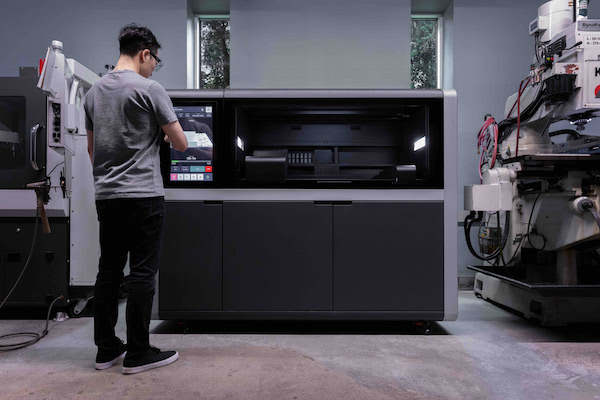
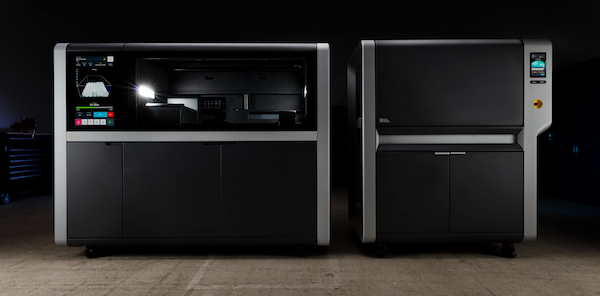
Designed with the modern machine shop in mind, the Shop System is built to fit seamlessly into your workflow. Produce parts with superior surface finish and resolution versus laser-based systems at a fraction of the cost.
Affordable Turnkey Solution
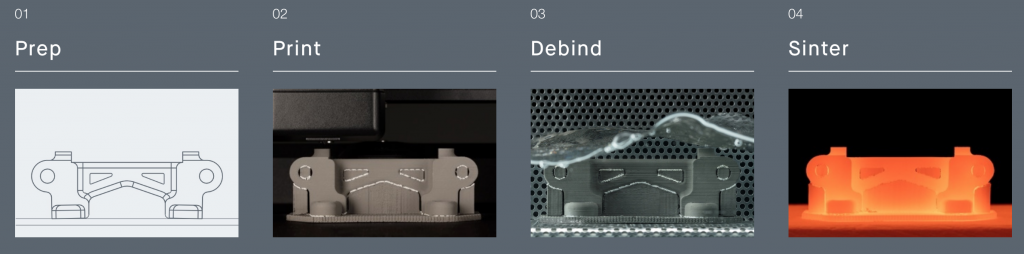
The Shop System contains all pieces of equipment your machine shop needs to begin binder jetting — from print through sintering. And with a range of build volume configurations (4L, 8L, 12L, and 16L), the Shop System is designed to scale to your shop’s throughput.
Simplified Post-processing
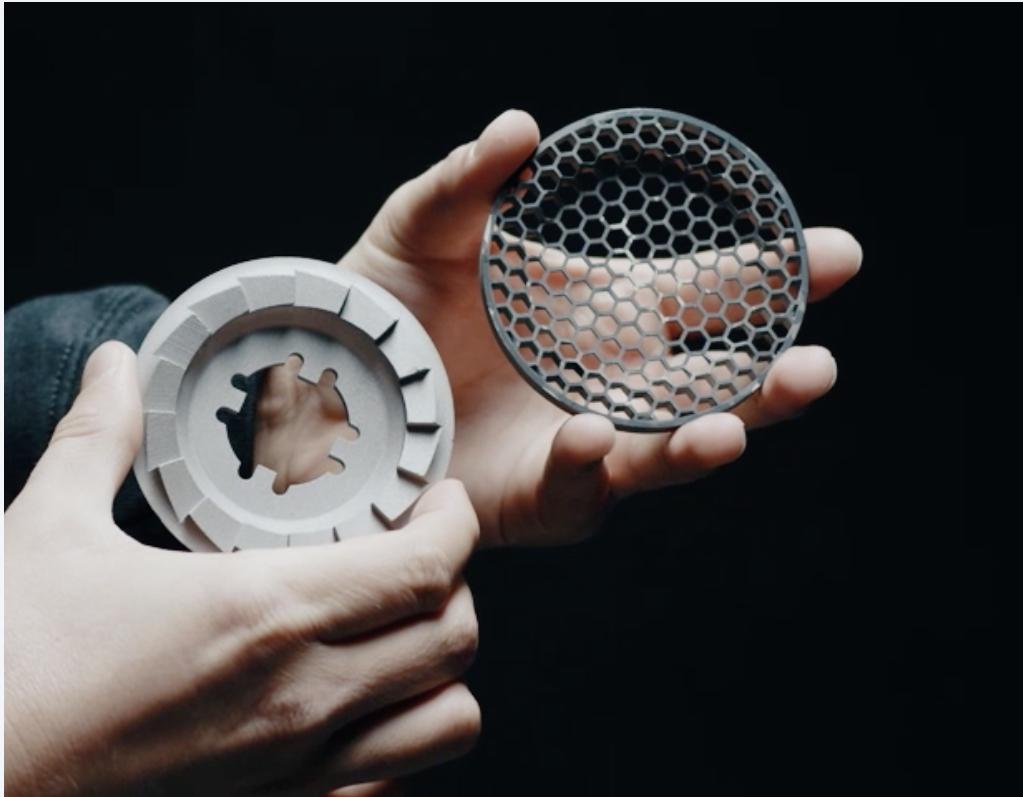
Parts on the Shop System print fully supported in their powder bed, and feature hand-removable sintering setters. Avoid hours of labor machining off support structures typical to laser-based systems and instead achieve customer-ready, near-net-shape parts right out of the furnace.
Optimized Powders & Parameters
Get started quickly with a turnkey, end-to-end solution. Shop System features Desktop Metal engineered powders and processing parameters, optimized to deliver exceptional part quality, and ensure part-to-part repeatability.
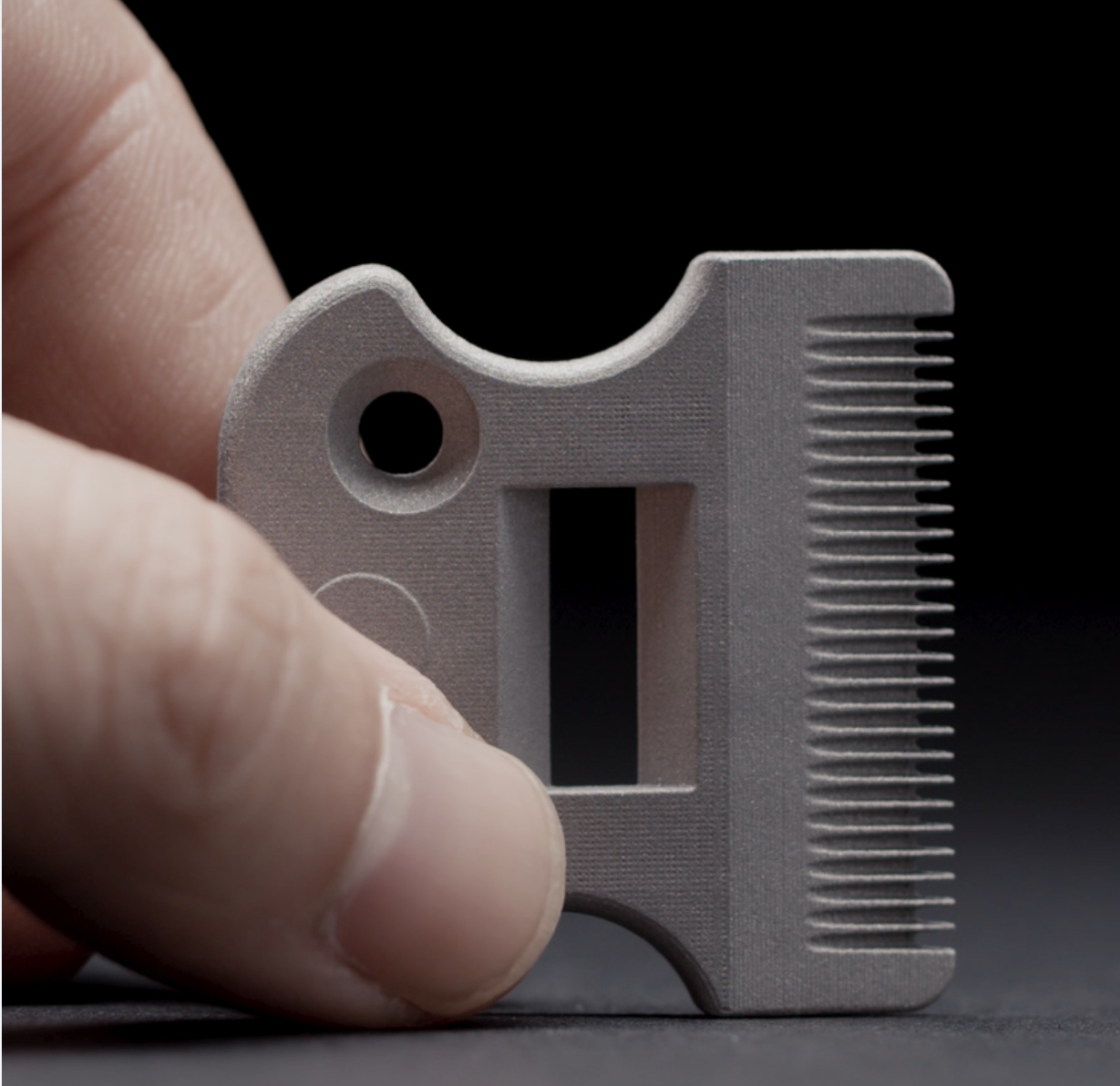
Mixed Volume Production:
Produce various part geometries simultaneously without the need for multiple setups.
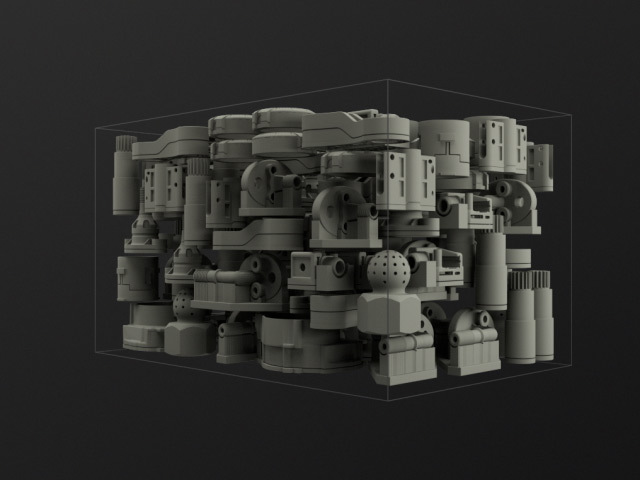
Batch Production:
Cost effectively produce low volume batches of complex parts due to elimination of tooling.
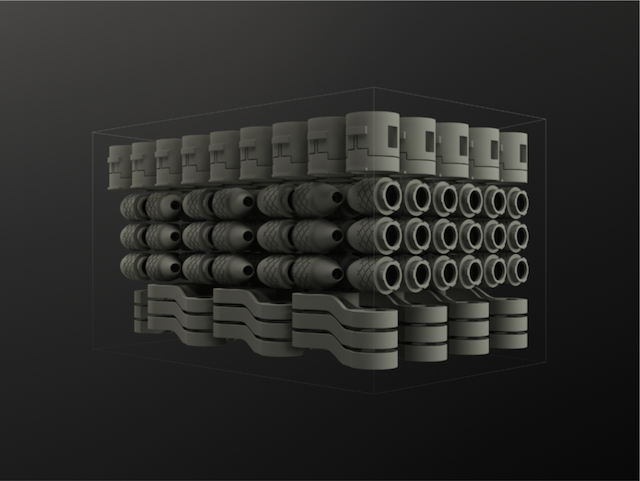
Mid-Volume Production:
Produce hundreds of near-net-shape parts every day with
dramatically reduced labor costs and expanded geometric flexibility.
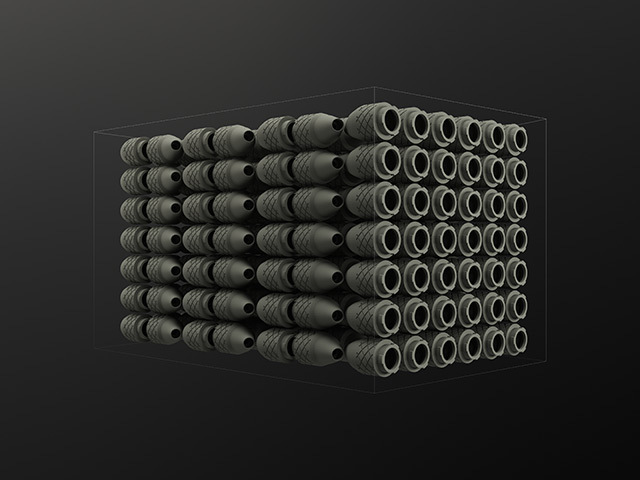
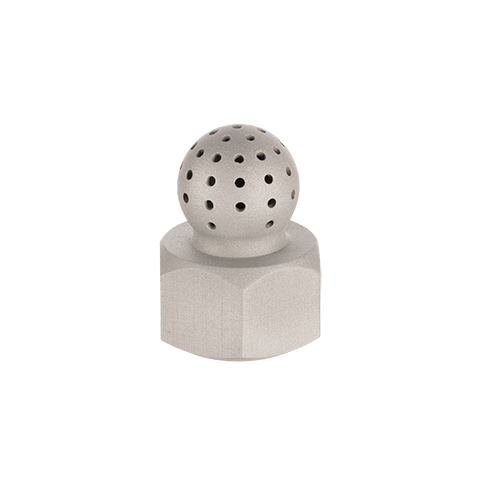
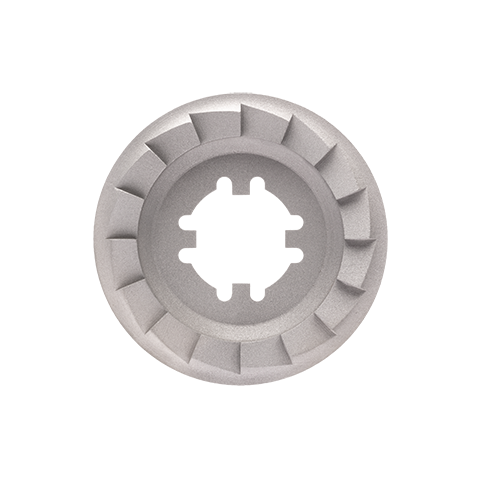
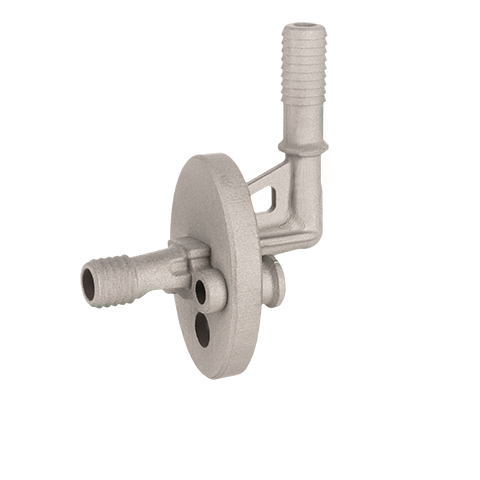
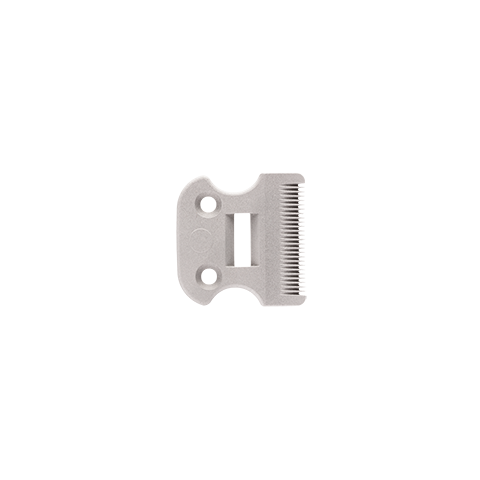
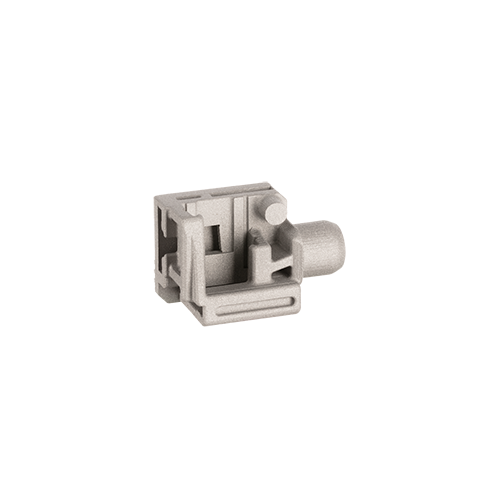
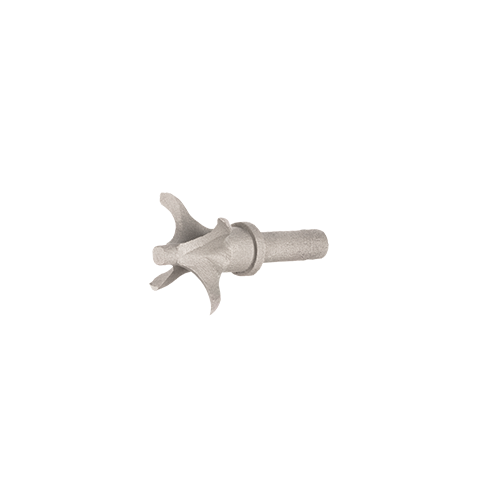
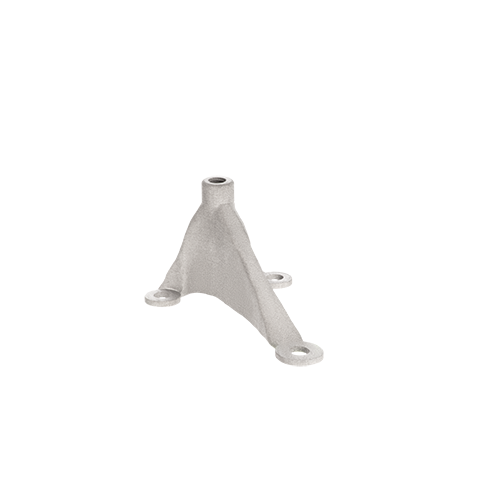
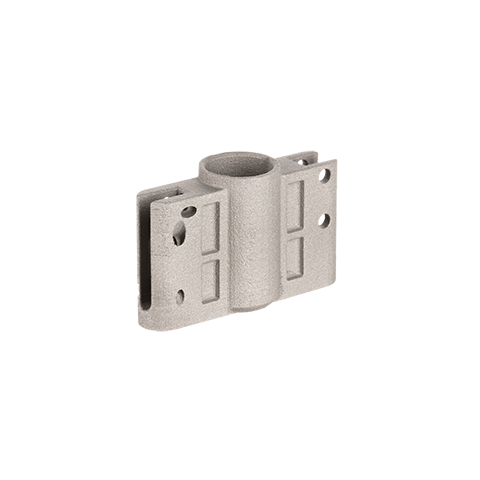
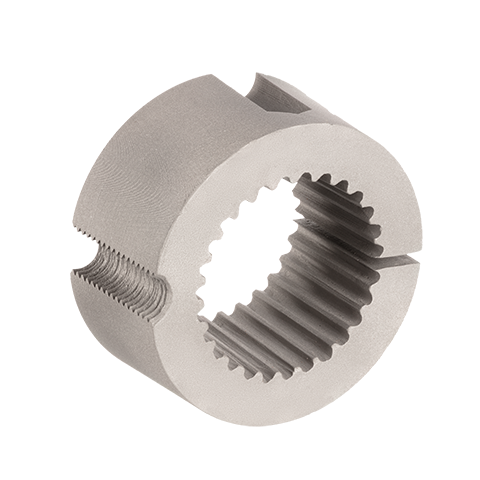
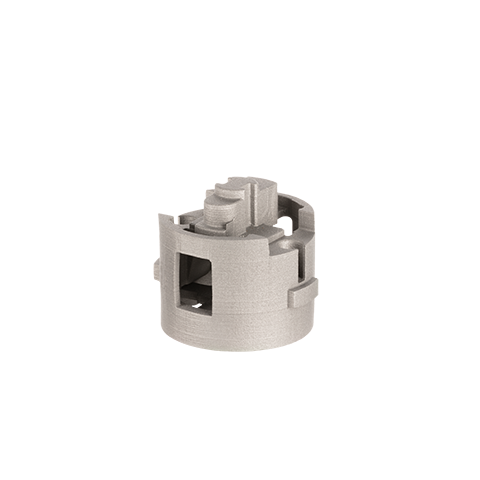
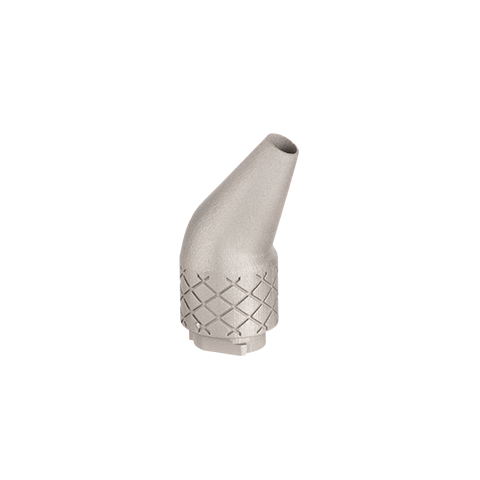

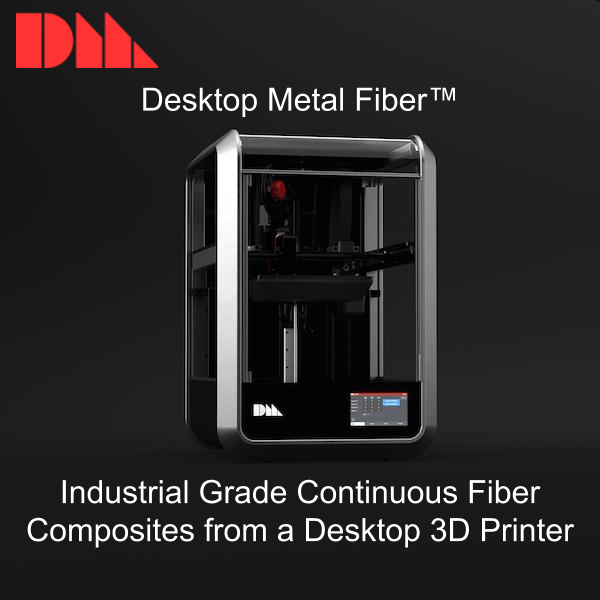
Industrial Grade Continuous Fiber Composites can now be printed on a Desktop 3D Printer
Why are Industrial Grade Continuous Fiber Composites important?
Industrail Grade Continuous fiber composites are an array materials that can be stronger than steel at lesst than half the weight.
What is Desktop Metal Fiber™?
The Desktop Metal Fiber™ is a desktop printer from Desktop Metal that makes industrial grade thermoplastic composites with continuous fiber tape with unrivaled desktop 3D printed part strength. Desktop Metal Fiber™ 3D Printer exponentially expands the material performance landscape of 3D printed parts by a factor of over 60x. It enables the production of stronger, lighter-weight 3D printed parts at accessible pricing.
What makes constinous fiber thermoplastic composites so strong?
Thermoplastics (without composites) are plastic polymer materials that become soft when they are heated and return to rigidity when they cool. Fused filament fabrication (FFF) 3D printers typically use thermoplastics such as ABS, PLA and Nylon. There are also FFF 3D printers with high temperature printheads that print in PEEK and PEKK, both materials which have greater tensile strength. However, the enhancements in tensile modulus and tensile strength obtained by alternating between the different available thermoplastics falls within a relatively narrow range. All of them are roughly less than 8GPa tensile modulus and less than 100 MPa in tensile strength. These only account for a small fraction of the engineering needs.
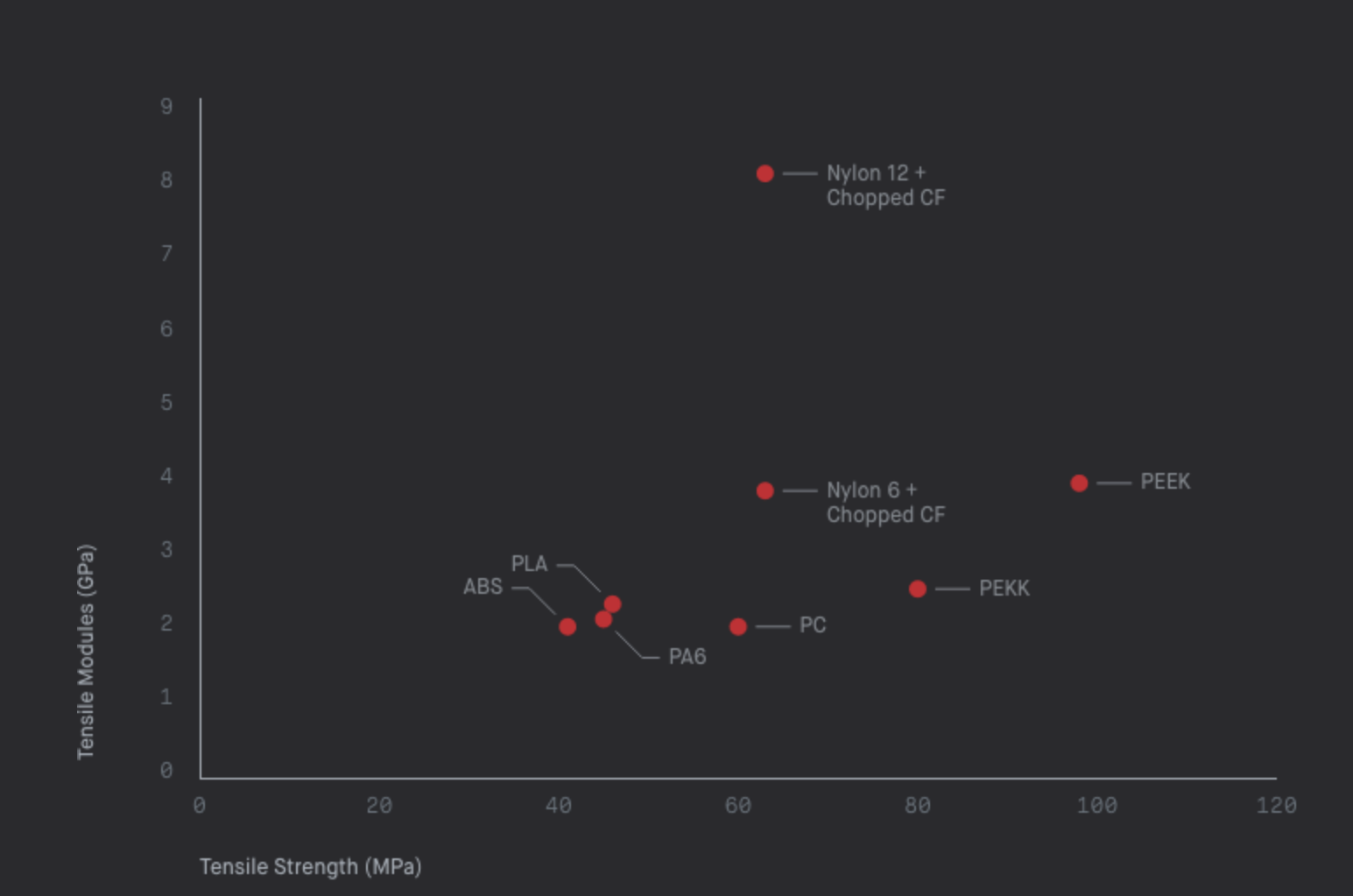
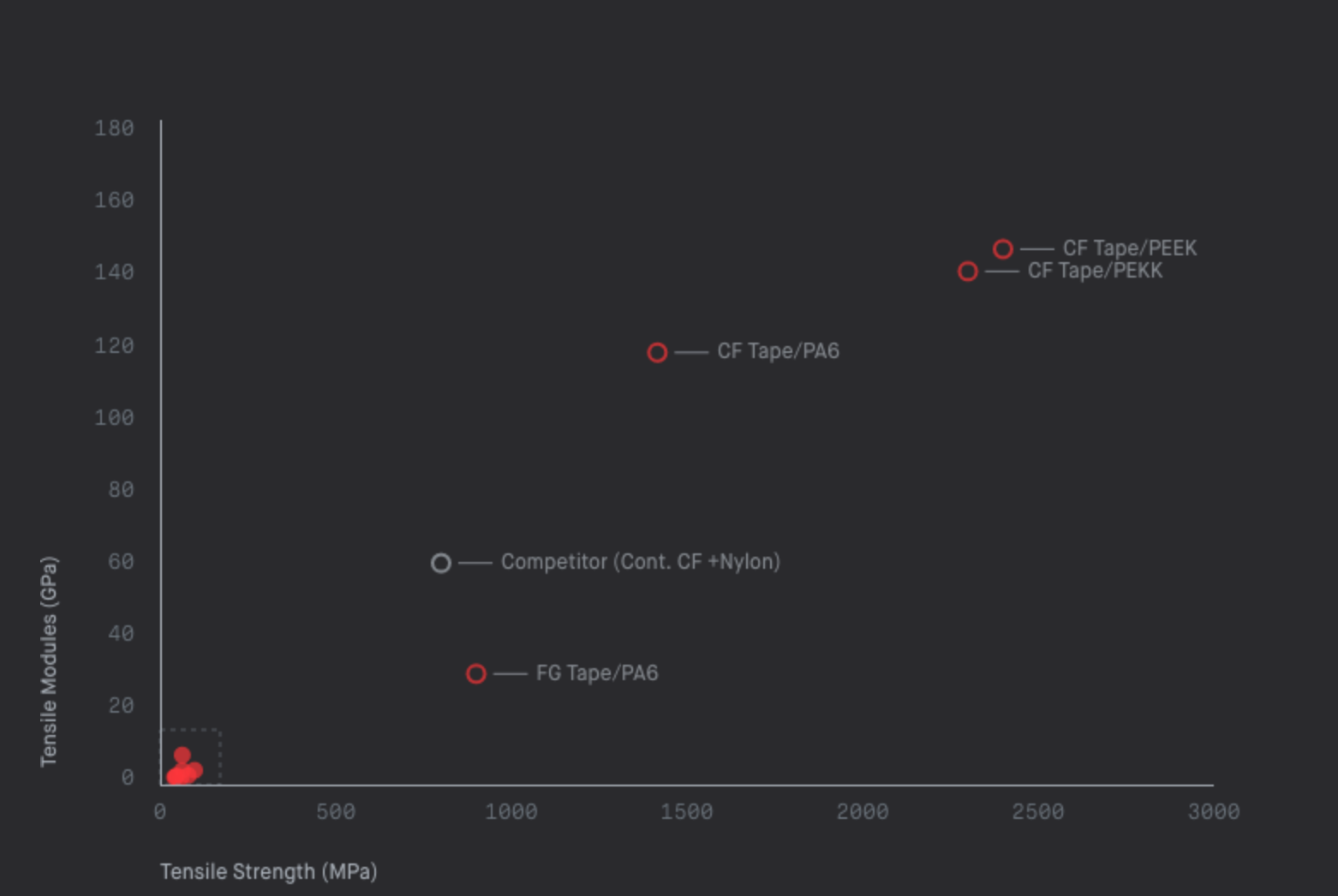
Thermoplastic composites with continuous fibers change the game completely. A thermoplastic composite has a thermoplastic matrix that has been reinforced with fibers such as carbon or glass. This reinforcement can happen one of two ways: using chopped fibers or continuous fibers. In the above graph it can be seen that nylon 6 and nylon 12 reinforcement with chopped carbon fiber has higher tensile modulus but nothing above 8 GPa. When you look at the tensile modulus and strength of thermoplastics reinforced with continuous glass and carbon fibers tape there is no comparison. Additive Manufacturing with thermoplastics reinforced with continuous fiber tape expands this tensile modulus and strength landscape (see small square in left hand corner) considerably to enable stronger, lighter-weight components. Desktop Metal Fiber™ 3D Printer exponentially expands the material performance landscape of 3D printed parts by a factor of over 60x. It enables the production of stronger, lighter-weight 3D printed parts at accessible pricing.
How Desktop Metal Fiber™ able to print high performance parts?
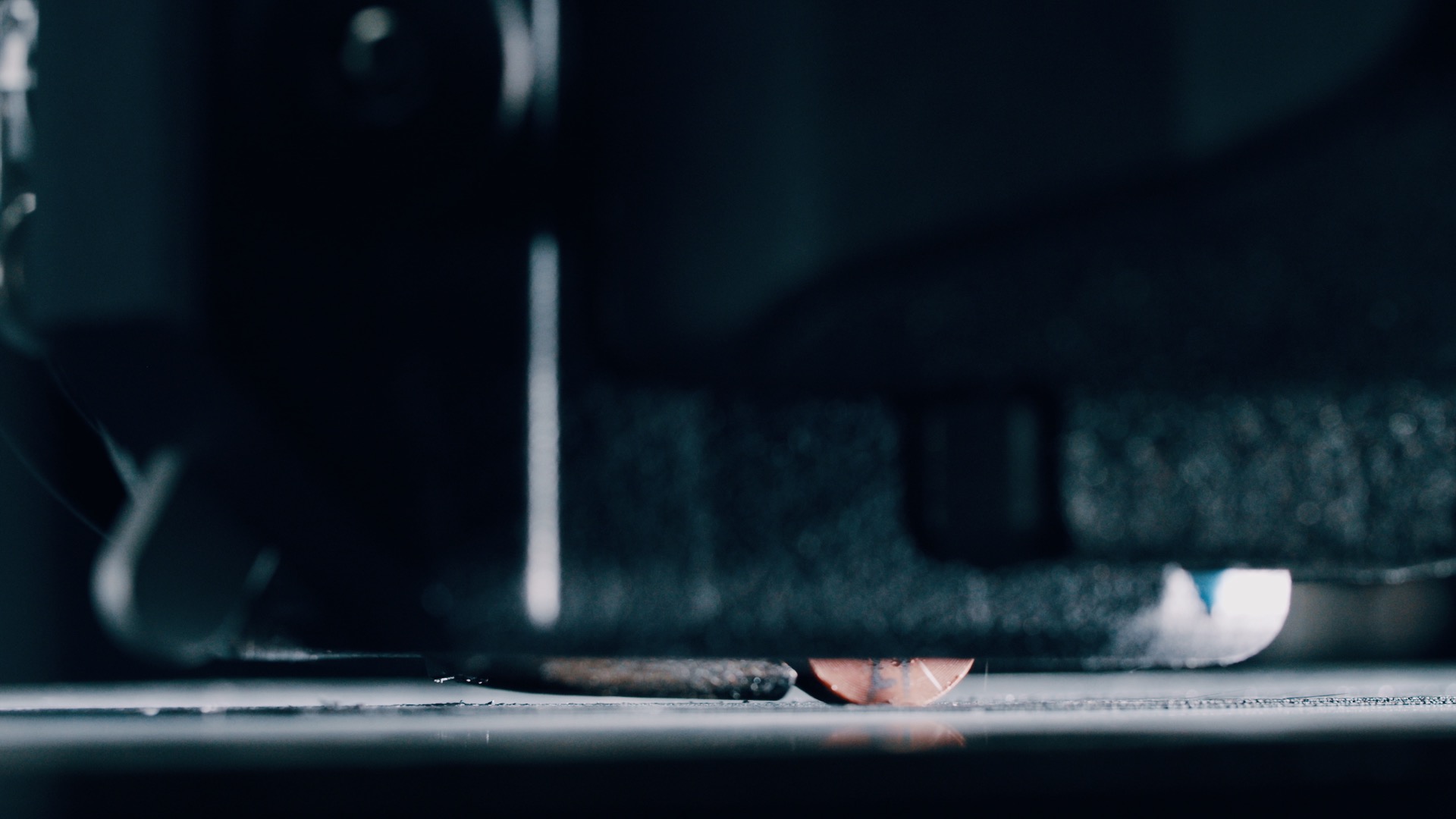
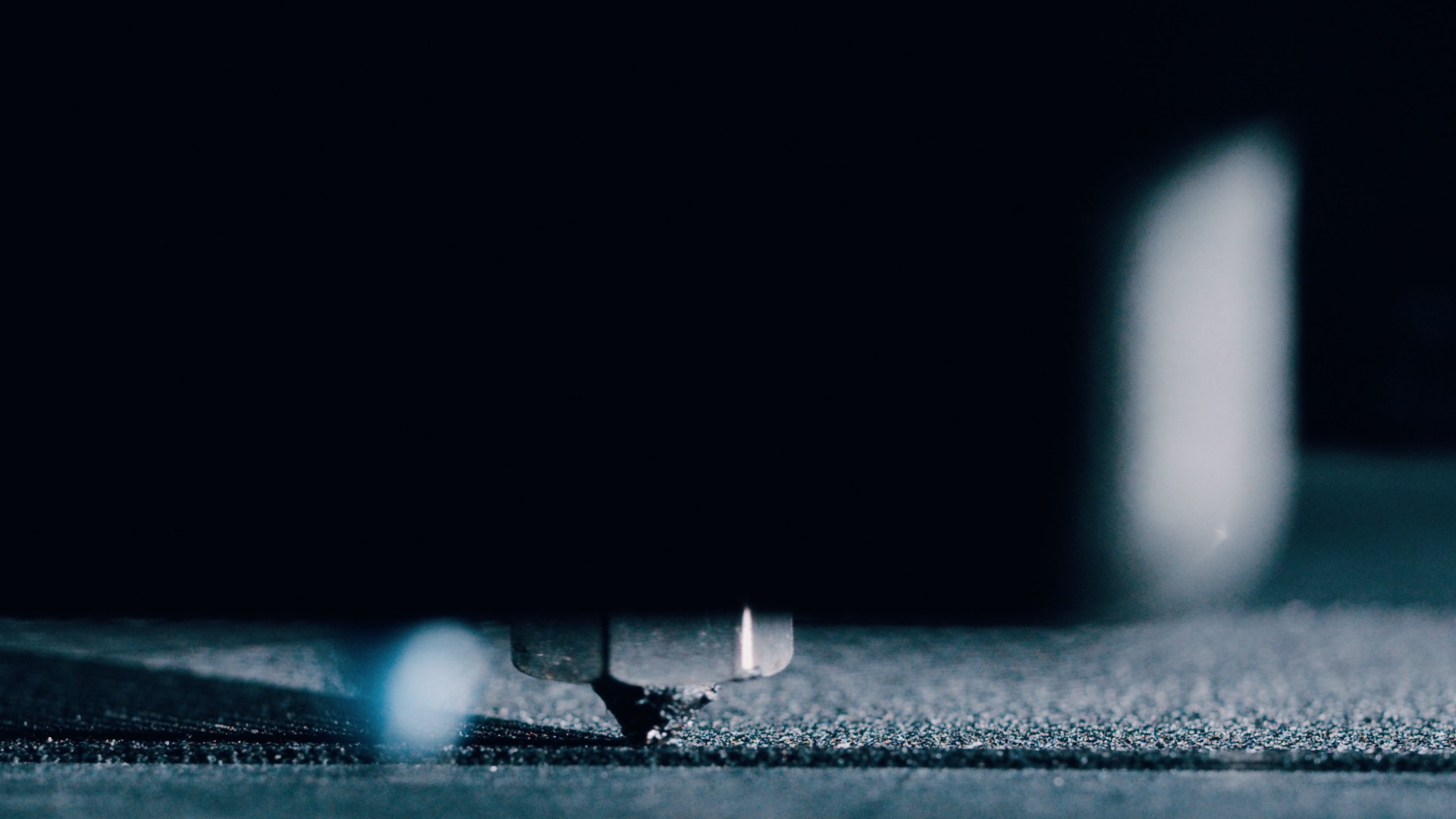
Desktop Metal Fiber™ combines the exceptional performance of continuous fiber with the ease of FFF printing to produce high-performance parts that are stronger than steel, lighter than aluminum, and can operate continuously in the toughest environments up to 250 ºC. It uses a combination of chopped fiber filaments and contiuous fiber tape to print parts. Continuous fiber tape is applied along critical load paths in a process called Micro Automated Fiber Placement (µAFP). The technical innovation for this printer is led by Dr. Konstantine Fetfatsidis, Vice President of Composite Products for Desktop Metal, who was previously the advanced manufacturing R&D lead for Aurora Flight Sciences, a Boeing company.
What do you mean by critical load paths?
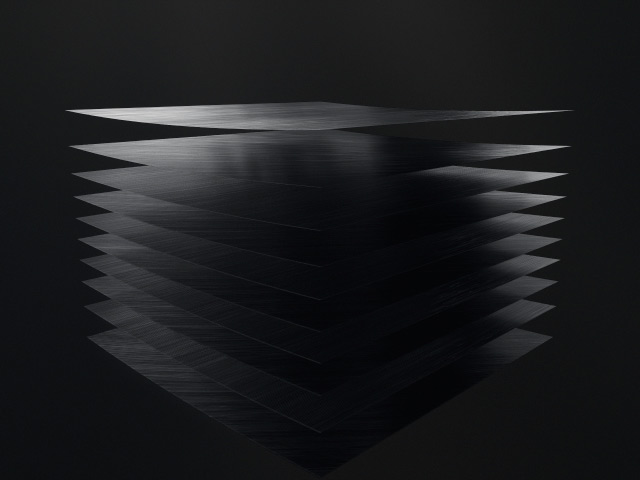
In continuous fibers all the fibers are aligned in the direction of the composite (impregnated) tape. The direction of the fibers cause the composite tape to have mechanical properties that are directional as well (anisotropic). The accurate control of the diection of the continuous fiber allows the user to impart customized mechanical properties to the 3D printed part. In the Desktop Metal Fiber™, this is done in a process called Micro Automated Fiber Placement.
What is continous fiber tape?
The Desktop Metal Fiber™ printer allows users to make thermoplastic composite parts using continuous fiber (glass or carbon) in tape form. Continuous Fiber thermoplastics glass or carbon tapes are long strands of either glass or carbon fibers that have been impregnated (or prepreged) with a thermoplastic. The impregnation process allows the individual strands to be formed into a tape. Desktop Metal has continuous fiber tapes of carbon impregnated PA6 (Nylon), PEEK and PEKK. They also have continous fiber tape of glass impregnated with PA6 (Nylon).
What are thermoplastic chopped fibers?
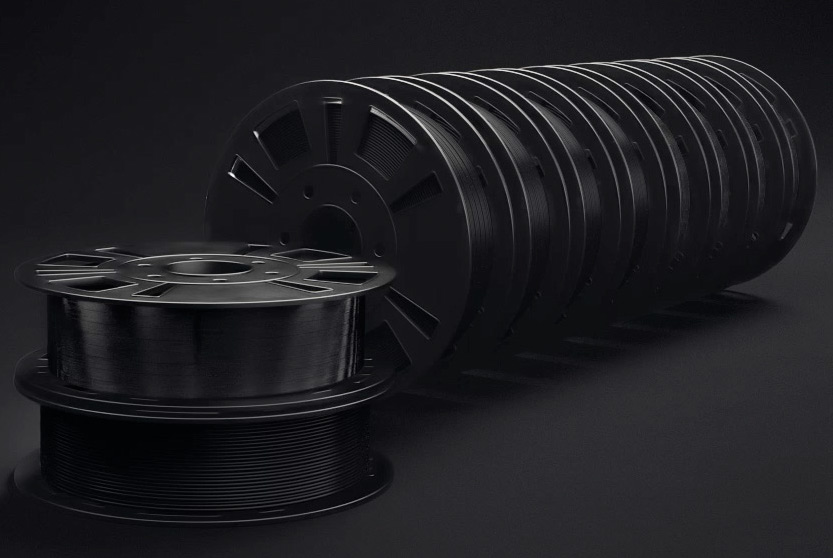
The Desktop Metal Fiber™ printer also uses chopped fiber thermoplastics. This thermoplastic comes in filament form. Desktop Fiber™ offers filaments of PA6 (Nylon), PEEK and PEKK with chopped carbon fibers and PA6 (Nylon) with chopped glass fiber. The difference between the chopped fiber and the continuous fiber is that in the chopped fiber filaments the fibers are chopped and are multidirectional.
What kind of parts can I make?
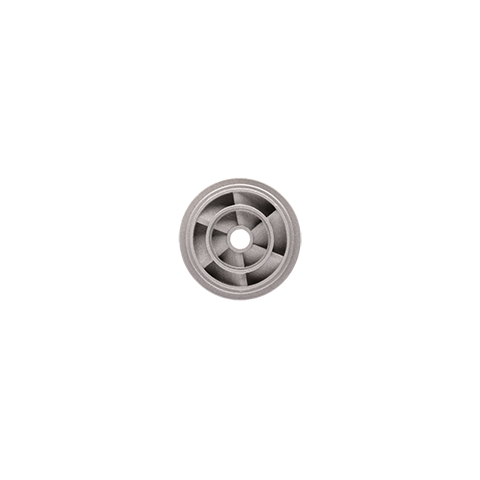
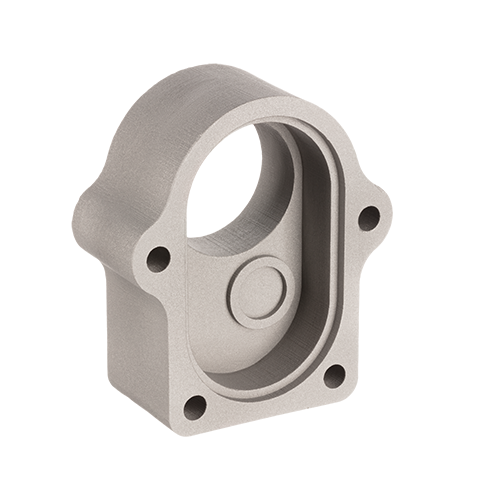
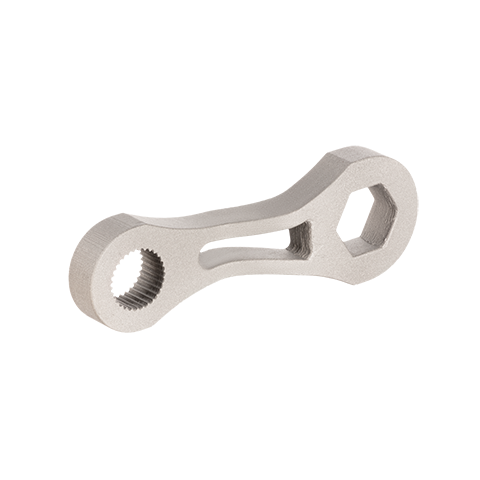
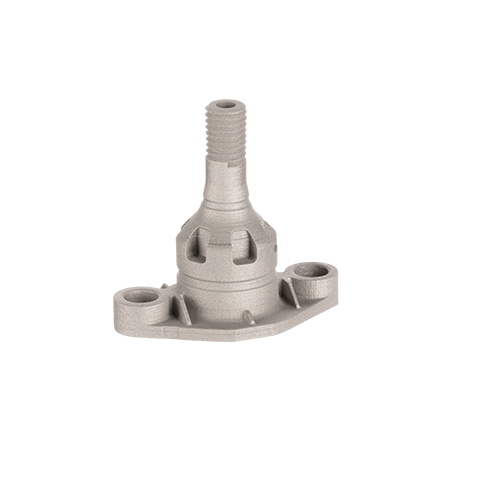
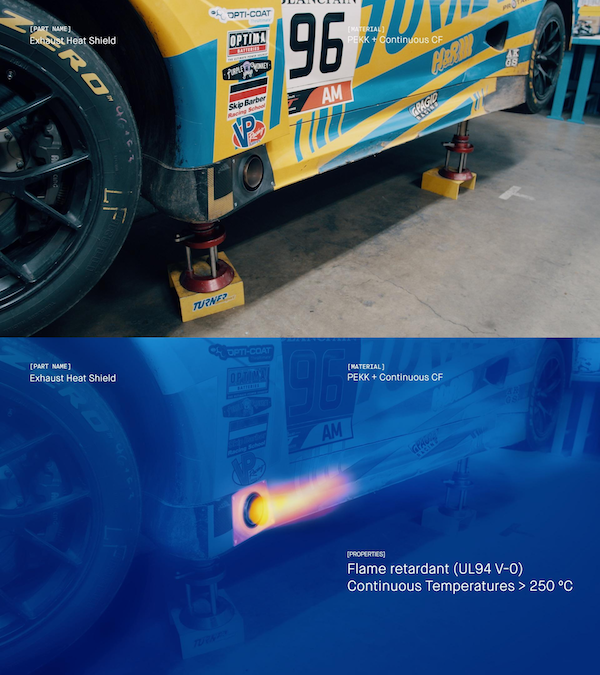
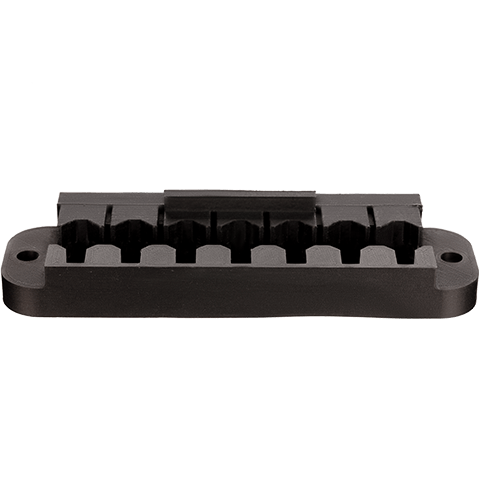
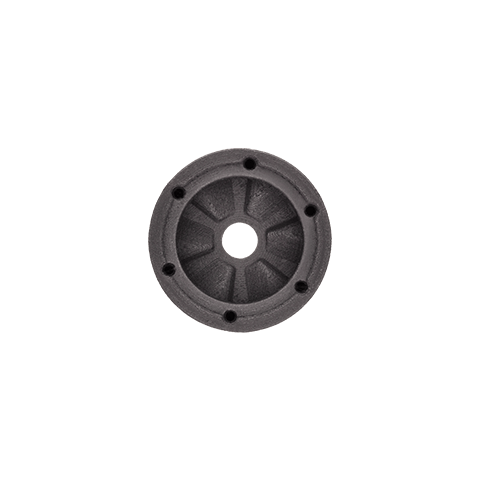
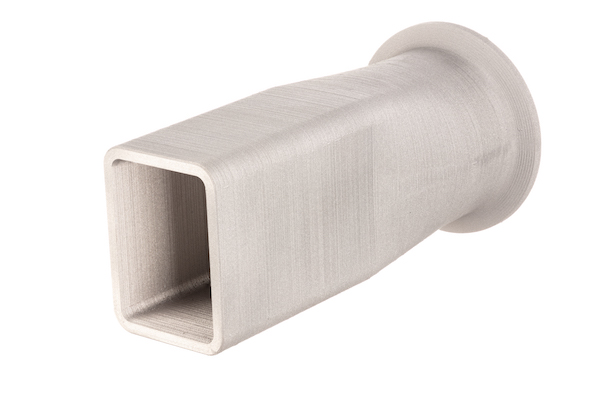
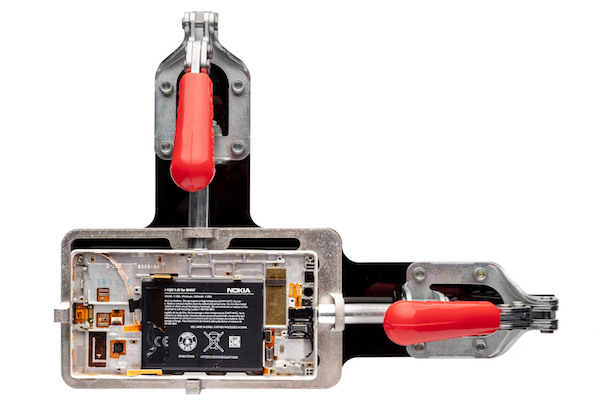
Parts can be 3D printed that span a variety of industries including manufacturing, tooling, automotive, consumer, electronics, marine and more. If you own a small machine shop you can start to provide high performance customized parts such as CNC fixtures (see below). If you already sell automotive parts you can expand your offering to include customized parts such as exhaust heat shields (see above). If you have a hardware store you can compete with Home Depot by offering customized tools such as mirror and camera mounts (see below). If you are an engineer at a manufacturing plant you can produce parts such as end-of-arm tooling, including those used in electronics manufacturing (see below).
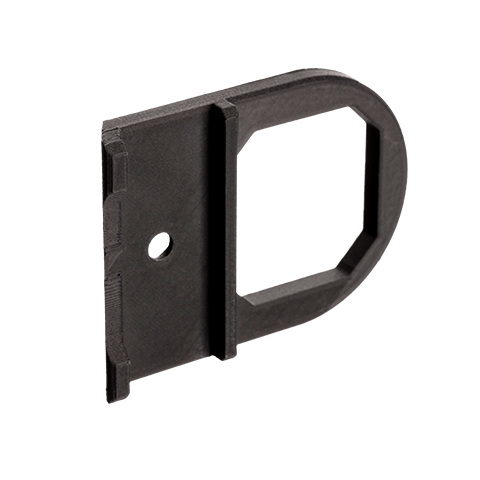
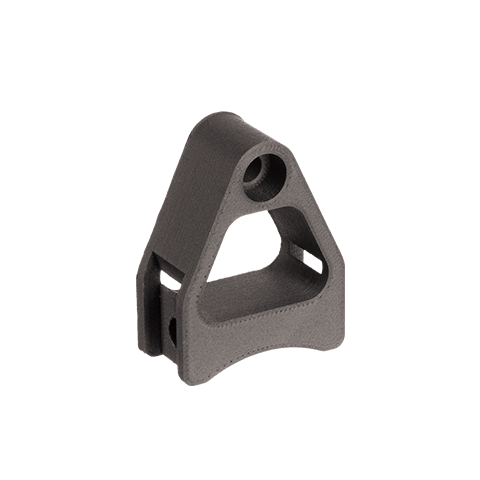

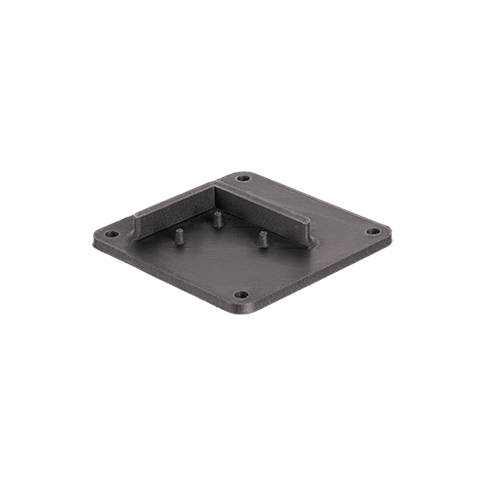

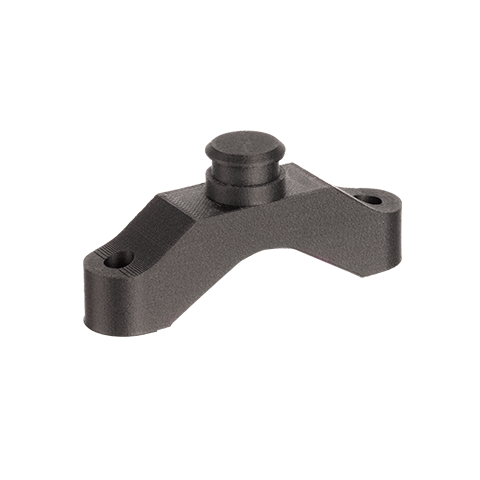
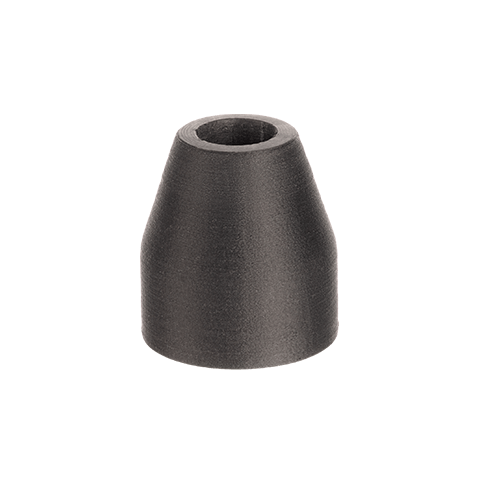
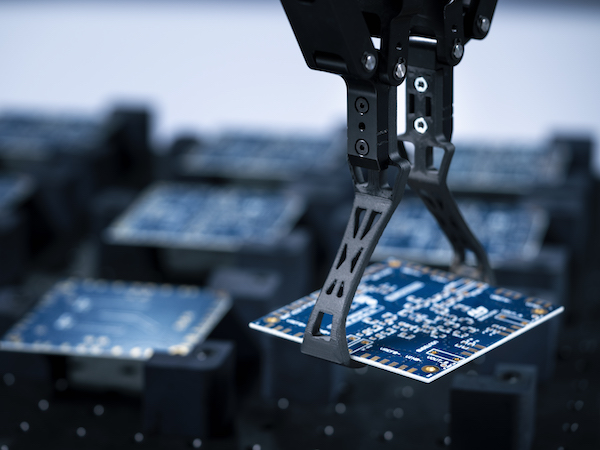
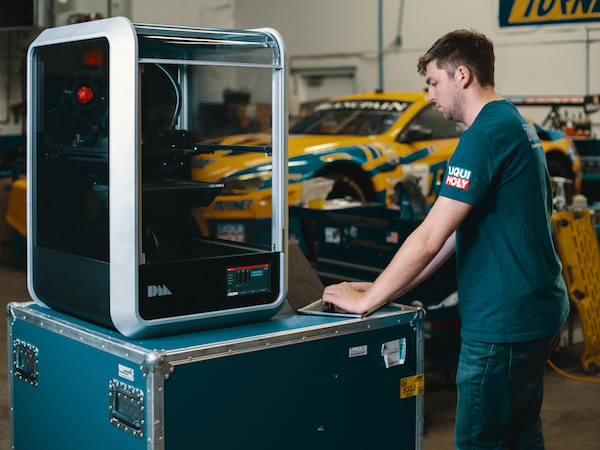
The Desktop Metal Fiber™ printer come in two flavors: Fiber™ LT & Fiber™ HT
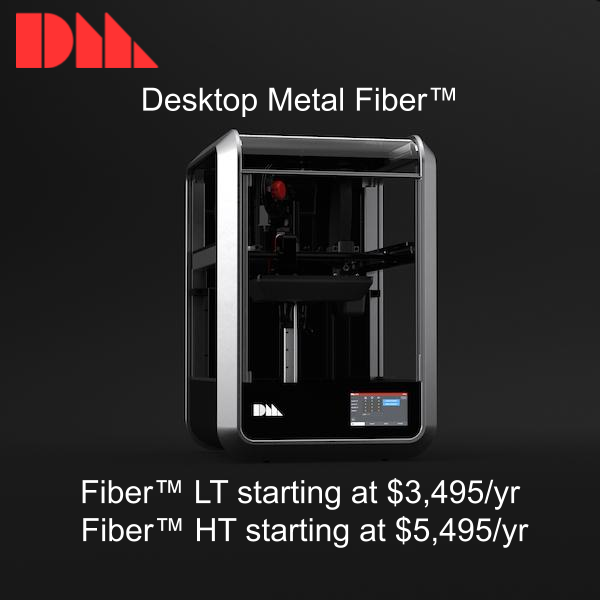
- Micro Automated Fiber Placement (μAFP) and Fused filament fabrication (FFF) print technology.
- Standard configuration: 1 FFF head + 1 μAFP head
- Build Space: 310 x 240 x 270 mm (FFF only)
- Build Space: 290 x 210 x 270 mm (μAFP-reinforced)
- Layer height of 50-200 μm
- Maximum build rate of 20 cm3/hr
- Maximum Build Weight: 10kg
- Printhead Nozzle Diameter: 0.40 mm
- FFF build media: Thermoplastic filament / Chopped fiber 1.75 mm diameter
- μAFP build media: Thermoplastic μAFP prepreg tape / Continuous fiber 3 mm wide
- Reinforcement: Automated optimization
- Compatible materials: PA6 + CF, PA6 + FG
- Starter Material Included
- Ability to upgrade your printer at anytime to a higher or newer model
- Box for drying filament prior to printing to maximize success.
- State-of-the-art, cloud-based software for print preparation which includes cloud-based new releases and software updates.
- Desktop Metal has online resources that will provide you with guides for installation, operation, and troubleshooting.
- If you are uncertain about your Fiber™ Printer or Fabricate™ Software performance, or you have any questions or concerns, the Desktop support team is here to help you over the phone, email, or chat.
- Micro Automated Fiber Placement (μAFP) and Fused filament fabrication (FFF) print technology.
- Standard configuration: 2 FFF head + 1 μAFP head
- Build Space: 310 x 240 x 270 mm (FFF only)
- Build Space: 290 x 210 x 270 mm (μAFP-reinforced)
- Layer height of 50-200 μm
- Maximum build rate of 20 cm3/hr
- Maximum Build Weight: 10kg
- Printhead Nozzle Diameter: 0.40 mm
- FFF build media: Thermoplastic filament / Chopped fiber 1.75 mm diameter
- μAFP build media: Thermoplastic μAFP prepreg tape / Continuous fiber 3 mm wide
- Reinforcement: Automated optimization, Custom targeted reinforcement
- Compatible materials: PEEK + CF, PEKK + CF, PA6 + CF, PA6 + FG
- Starter Material Included
- Ability to upgrade your printer at anytime to a newer technology model
- Box for drying filament prior to printing to maximize success.
- State-of-the-art, cloud-based software for print preparation which includes cloud-based new releases and software updates.
- Desktop Metal has online resources that will provide you with guides for installation, operation, and troubleshooting.
- If you are uncertain about your Fiber™ Printer or Fabricate™ Software performance, or you have any questions or concerns, the Desktop support team is here to help you over the phone, email, or chat.
- PA6 Chopped Fiberglass
- PA6 Chopped Carbon Fiber
- PEEK Chopped Carbon Fiber
- PEKK Chopped Carbon Fiber
- PA6 Continuous Fiberglass
- PA6 Continuous Carbon Fiber
- PEEK Continuous Carbon Fiber
- PEKK Continuous Carbon Fiber
How can I purchase this machine?
Desktop Fiber™ is available in the Caribbean through Rich Port 3D Solutions. To learn how you can start 3D printing strong light parts for your customers or stakeholders contact Rich Port 3D Solutions your local Authorized Desktop Metal Reseller so that we may help you make an informed decision.
For a free consultation call today!
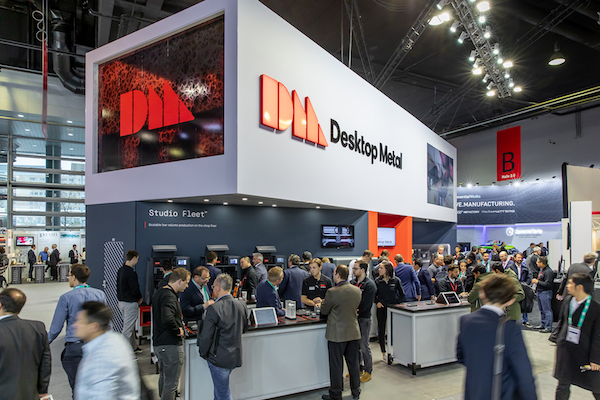
For those of you attending FORMNEXT 2019, Desktop Metal will be hosting a “DM By Night” on Tuesday November 19th from 8PM-Late, at Champions in the Marriott Hotel. Join us for appetizers, an open bar, and great conversation with some of the best people in 3D printing. Please signup in advance at the link below to let us know if you are attending.
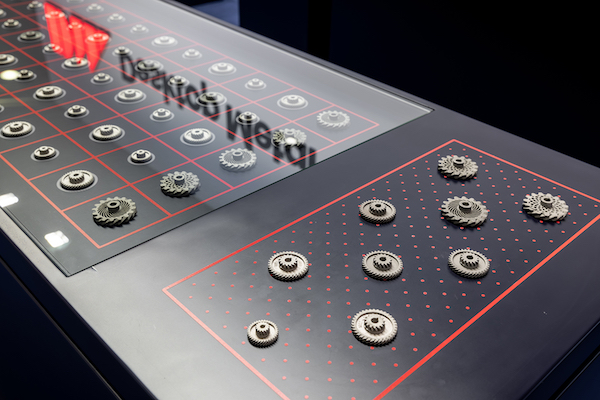
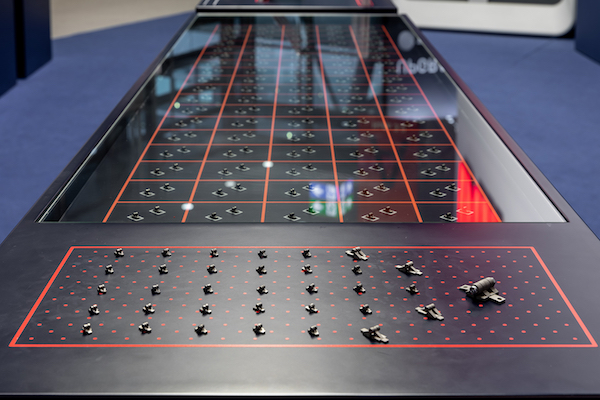
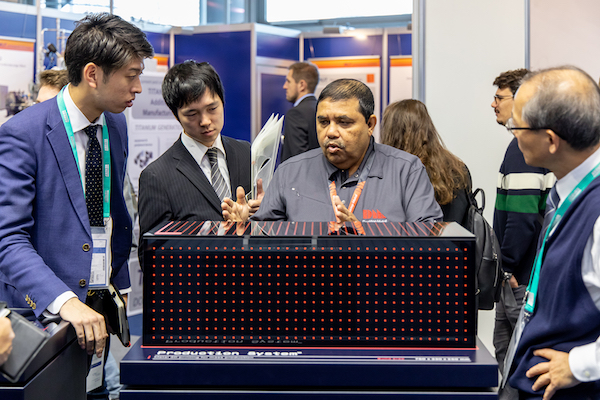

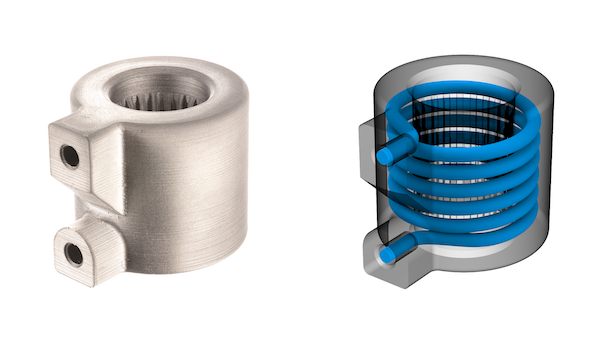
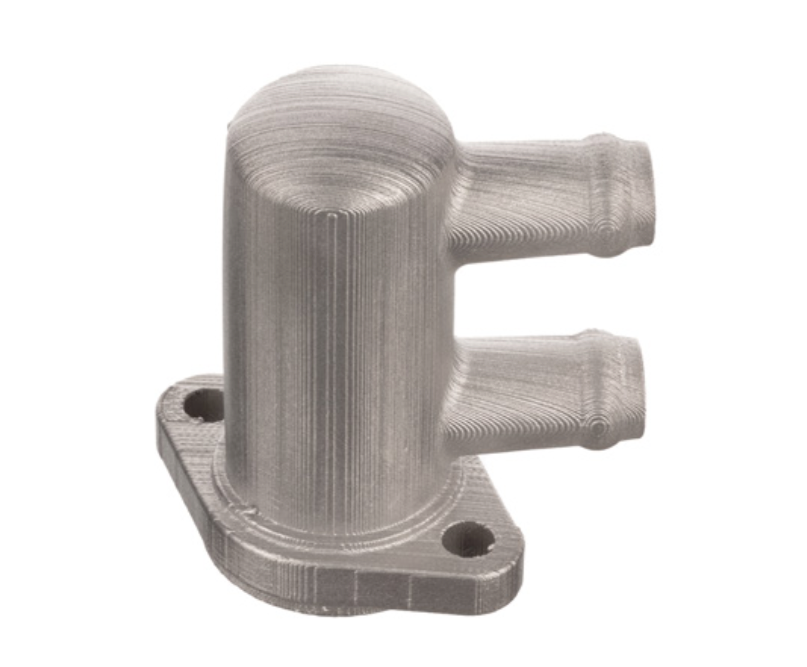
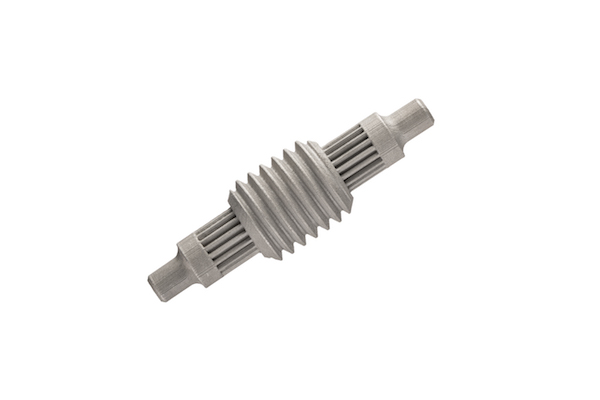
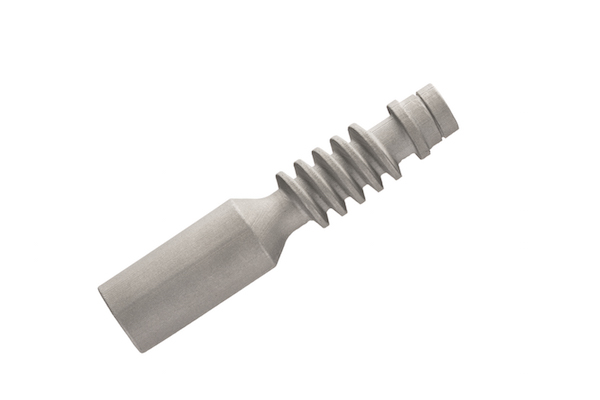
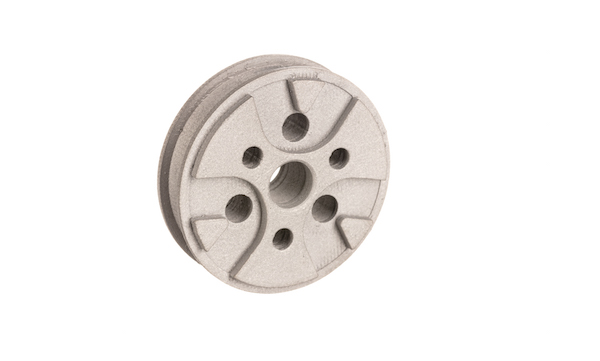
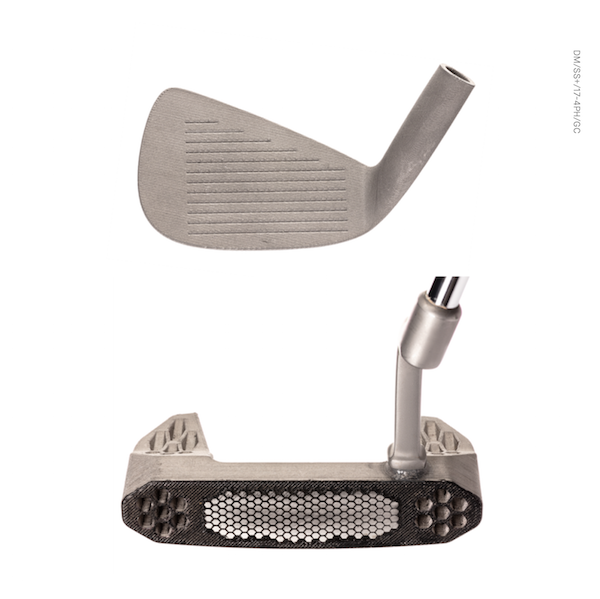
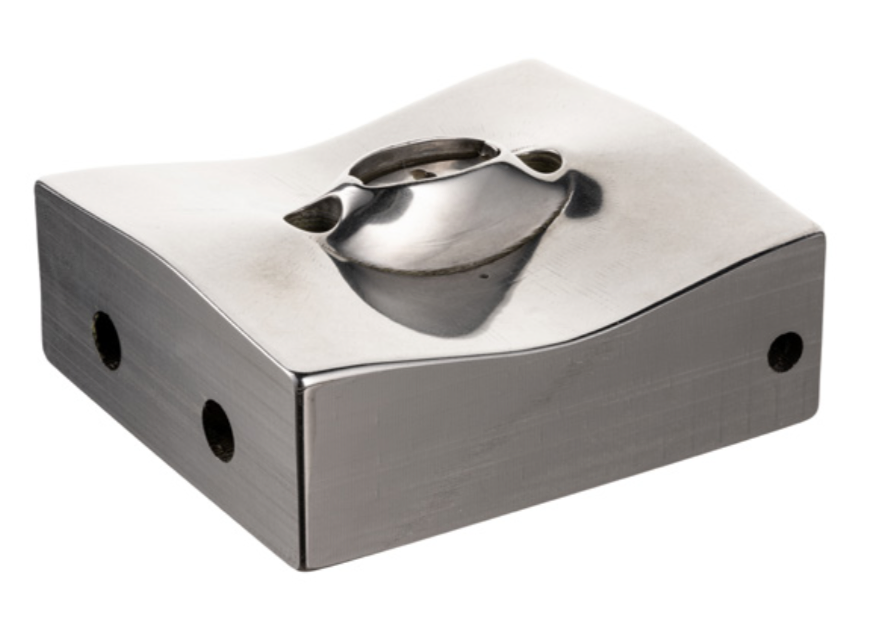
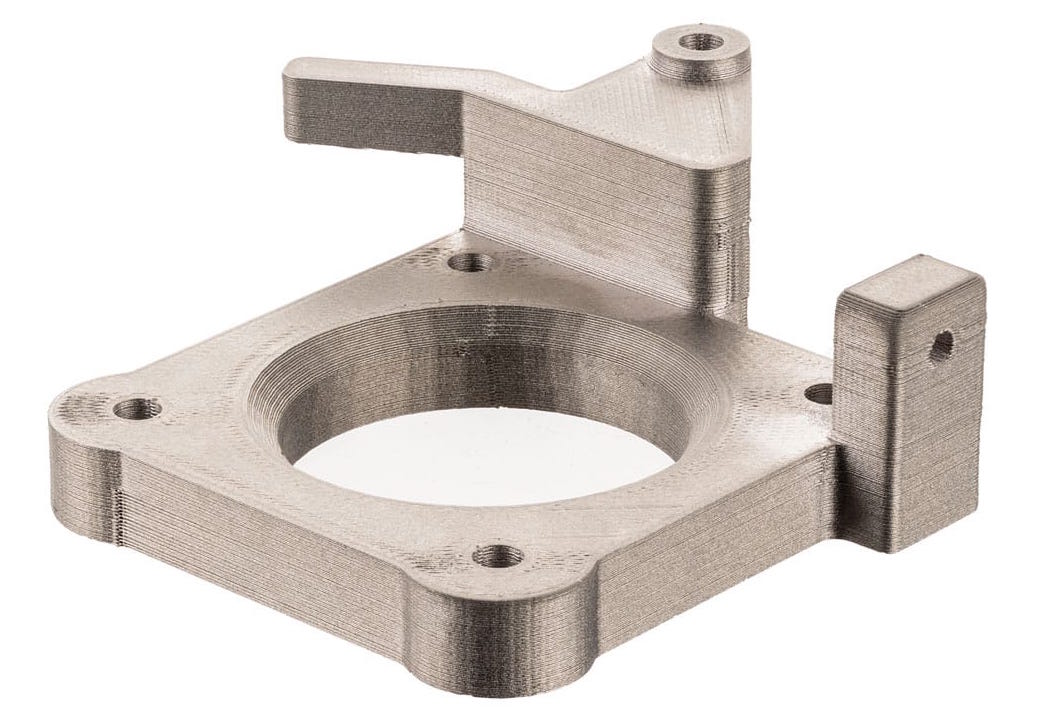
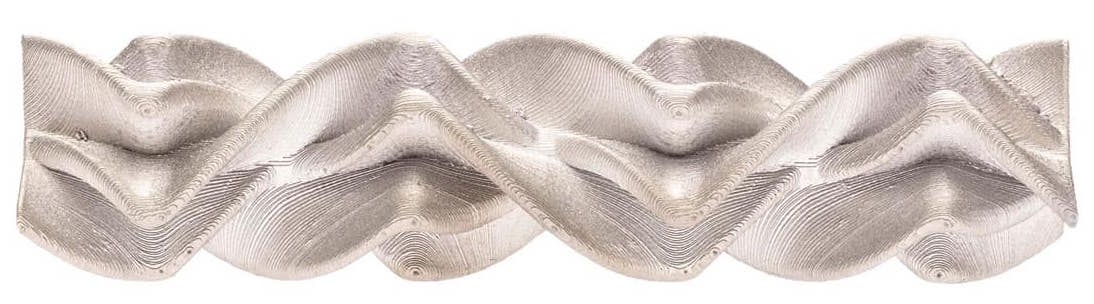

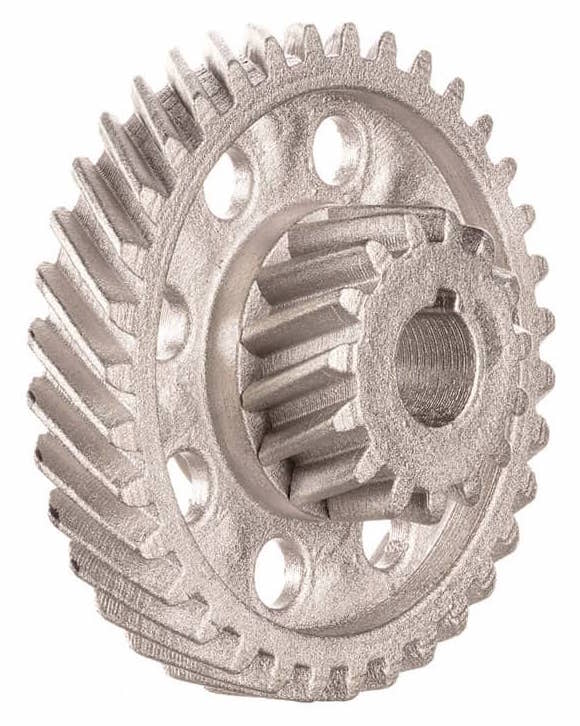
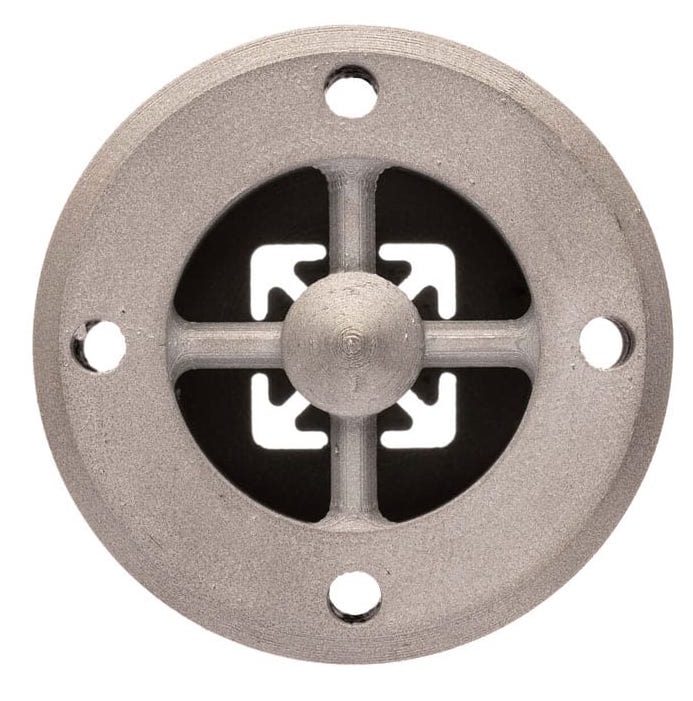

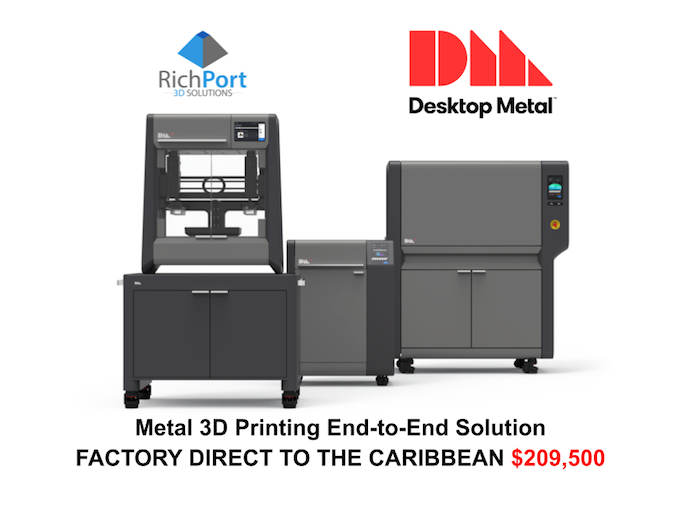
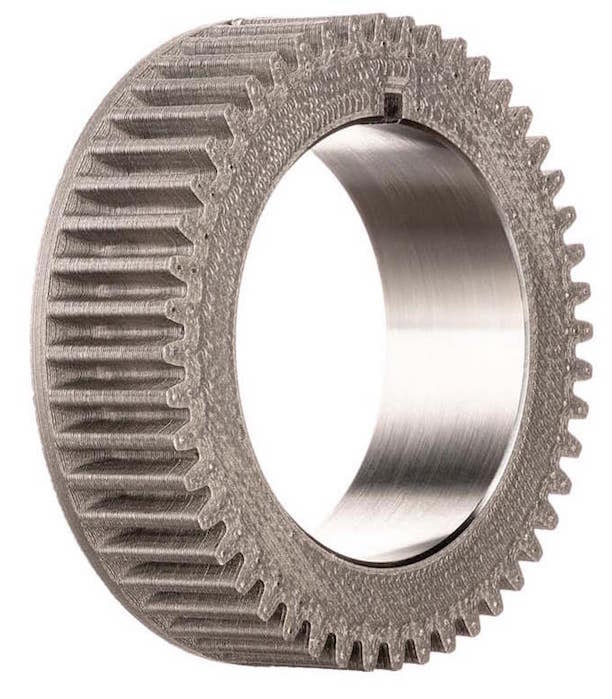
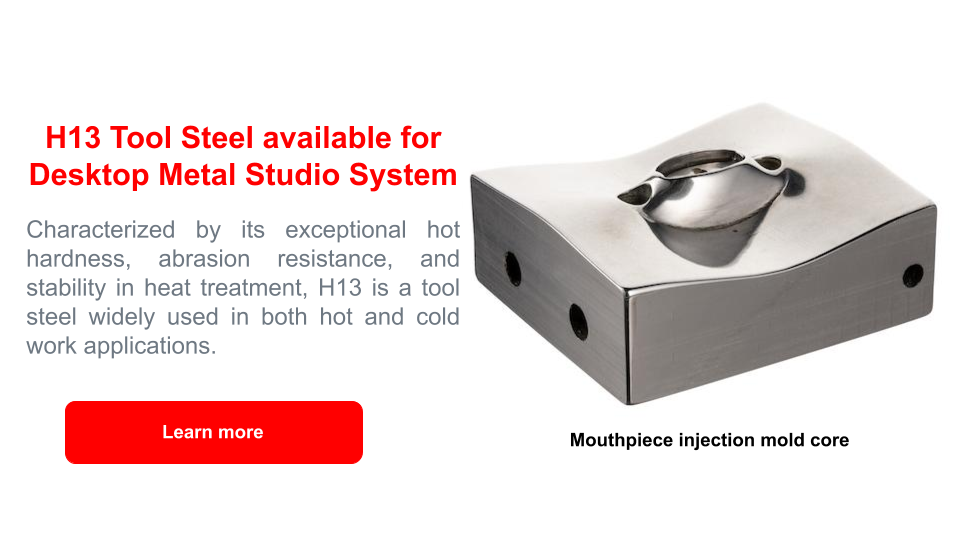


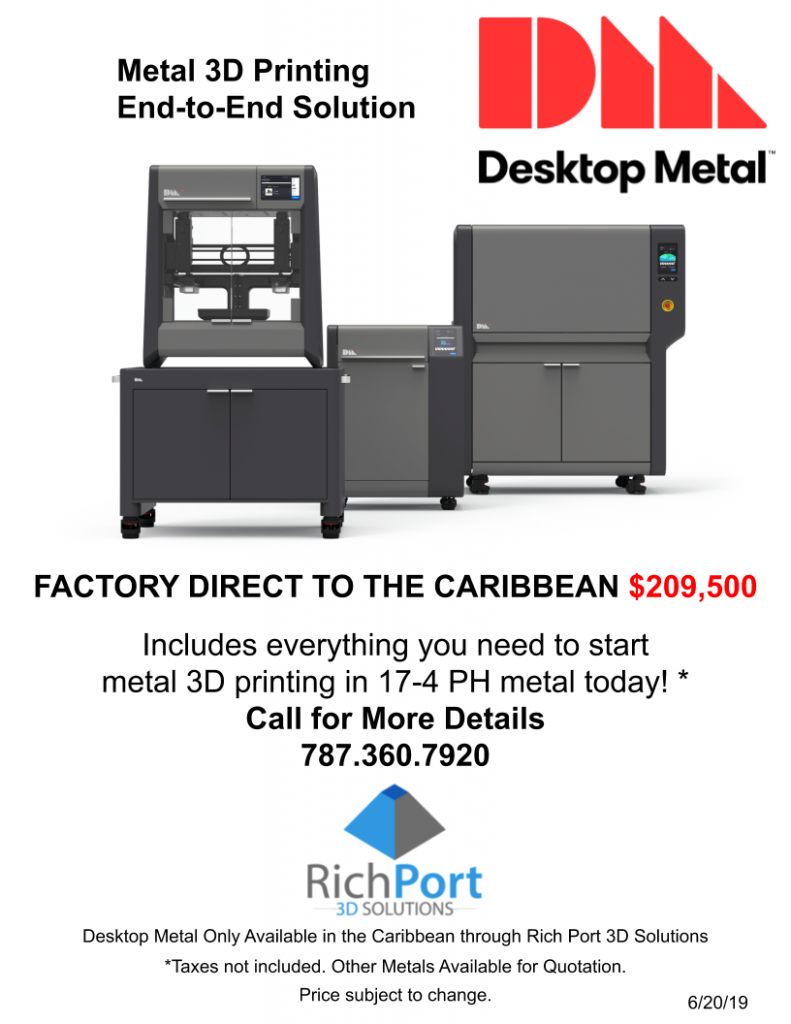
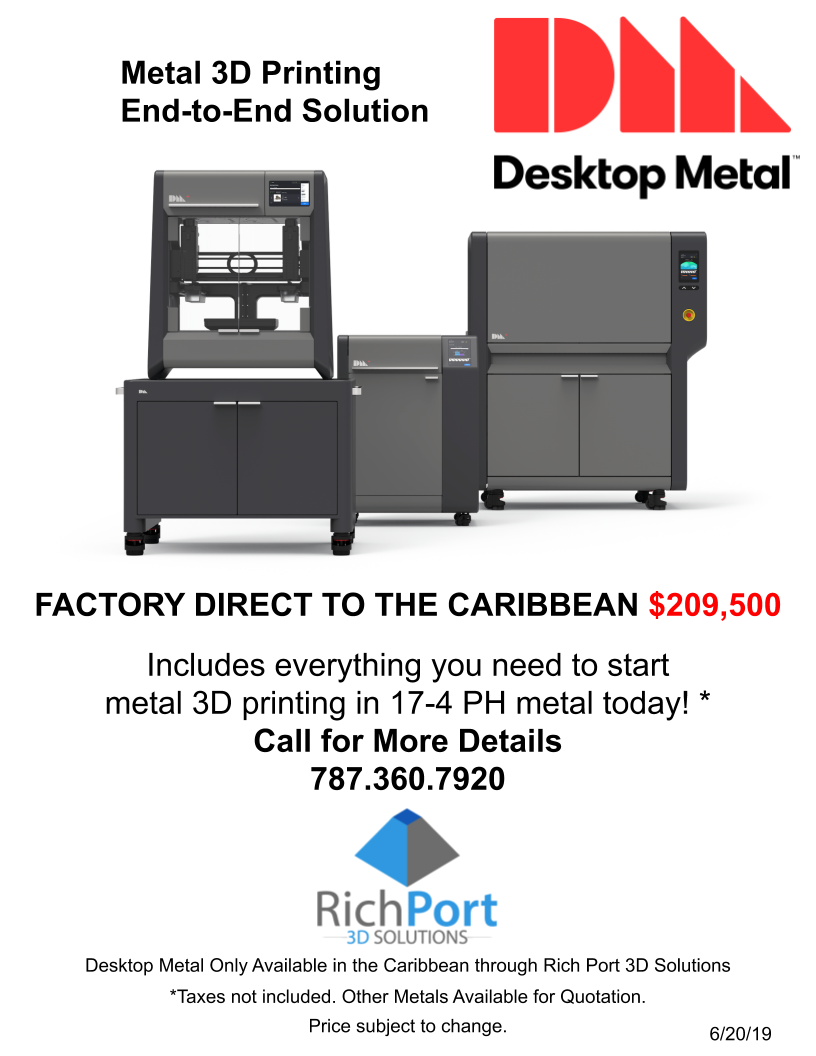
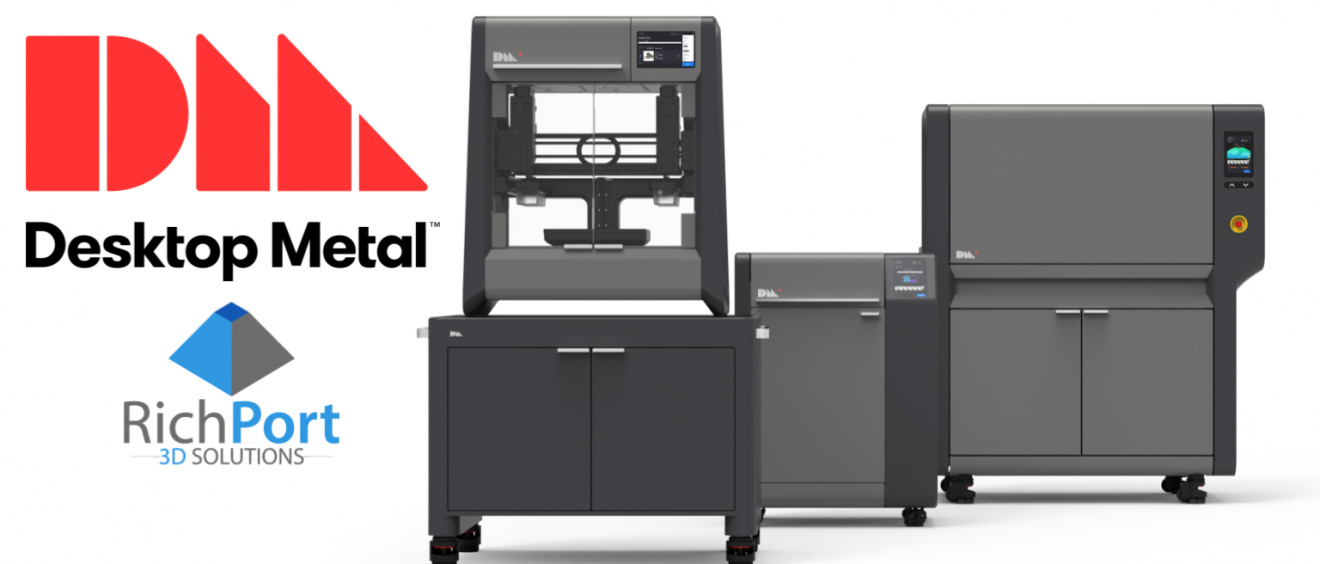
Desktop Metal Industrial Metal 3D printing End-to-End Solution.
Desktop Metal Accelerates Shipments of the Studio System,
the World’s First Office-Friendly Metal 3D Printing System to the Caribbean.
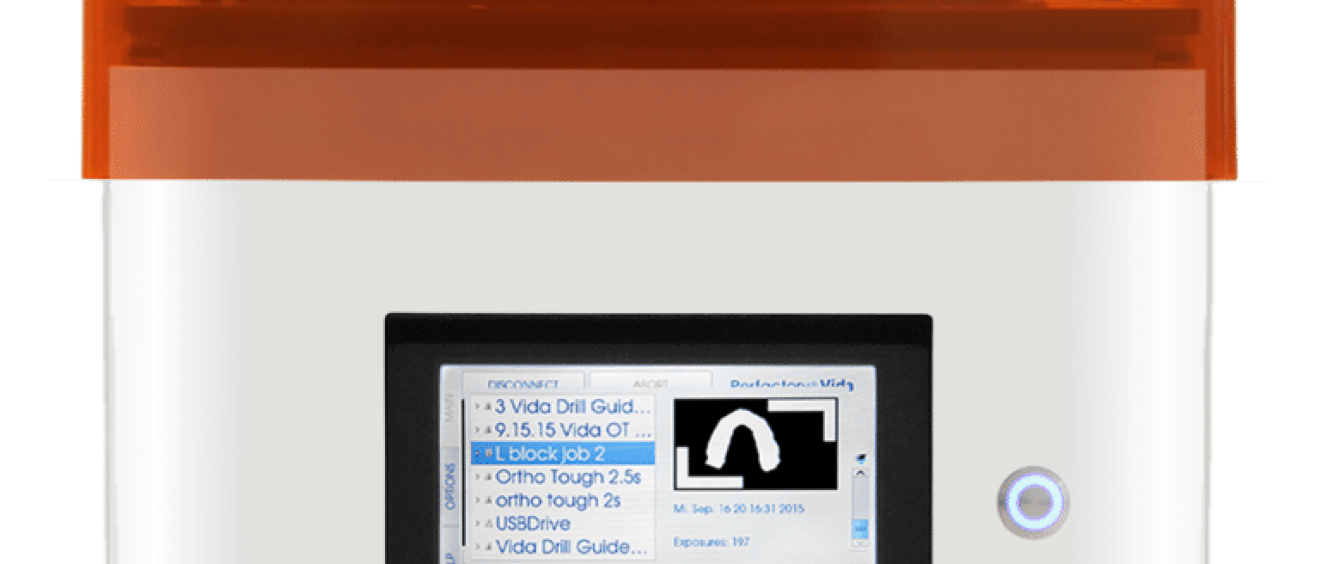
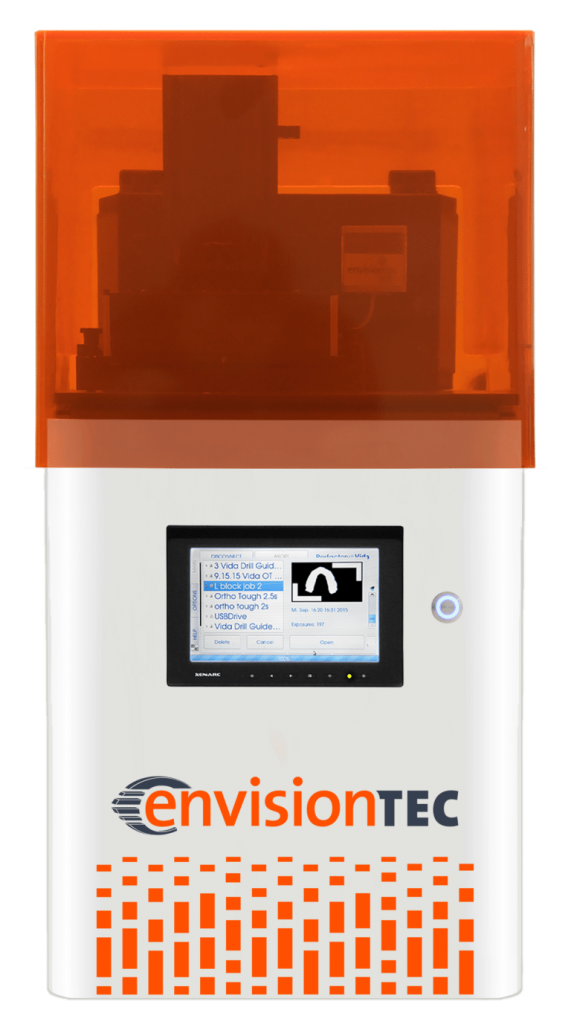
The Vida UHD cDLM is a high-speed continuous 3D printer with ultra high definition for the jewelry, dental and general manufacturing markets. This printer is the highest resolution offering EnvisionTEC’s patented Continuous Digital Light Manufacturing technology and also offers blazing speeds. In addition, the technology also reduces the need for support structures during 3D builds, meaning less finishing is necessary.
This groundbreaking technology allows for disruptive printing across a range of industries including dental, jewelry, and manufacturing.
As with all EnvisionTEC technologies, the Vida UHD cDLM delivers outstanding surface quality with no signs of stairstepping. The 33 µm resolution of the Vida UHD cDLM allows for high quality results from a manufacturer with more than 15 years of experience in 3D printing technologies.
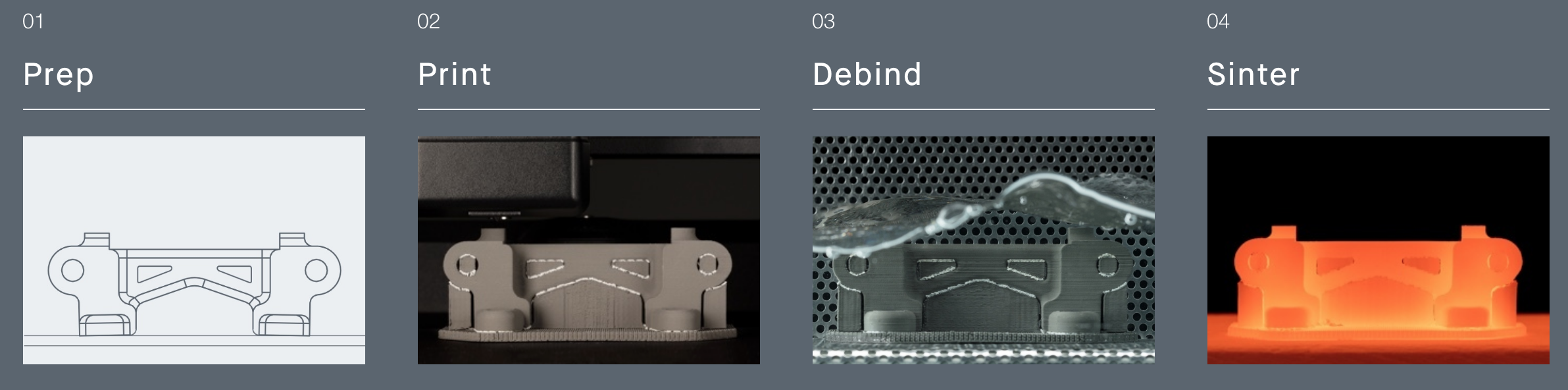
Vista rápida de la Impresora
Vista rápida: Studio System+ para creación rápida de prototipos (estudio de caso)
Call Today!
- A Mechanical Engineering Degree is not needed to safely run this system.
- It is an easy and safe end-to-end system.
- Save 90% on parts compared to CNC machining and 80% compared to metal injection molding.
- Desktop Metal Printers are now shipping to the Caribbean.
Call Today!
 EnvisionTEC Machine Pricing 2019
Created by one of the most experienced teams of engineers in 3D printing, the Envision One cDLM is the largest, most advanced desktop 3D printer ever created. It is bigger, faster, easier to use and more innovative than all the other 3D printers on the market.
Designed to take you from beginner to expert in a single machine, the Envision One cDLM is the only professional 3D printer you’ll ever need. EnvisionTEC delivers an end to end solution including design software parameter optimization to deliver accurate parts every time with minimal supports.
Perfect for a wide variety of 3D printing applications, the Envision One cDLM is capable of printing up to 80 mm/hour, material dependent.